
- Home
- Daily Field Report Report ID: 90443
- Edit Download Report
Daily Field Report
Observations/Finding
As requested, the site was visited by our AS Engineering and Consulting (ASEC) representative for the purpose of providing quality control inspection and testing services. Visual observation techniques were employed to verify compliance with project drawing/specifications, applicable codes, and materials
submittals. The following observations were observed on site this day.
Our ASEC representative was on site to observe the contractor (NG Grading) and for the observation/testing of the placement of fill/backfill.
Upon arrival to the site, it was visually noticeable that the site was oversaturated from the previous night’s rain. ASEC began checking moisture contents of soils located in different areas around the site. Moisture content showed 3% to 5% over optimum moisture content. The contractor stated they were still going to try to place structural fill today and removed approximately 8 inches of soil from the previously placed fill areas on Lots #30 through #32. ASEC watched as a loaded truck rolled across this area, and there were clear signs of severe pumping/deflection on the lots. ASEC pointed this out to the contractor and recommended not to continue placing soil, and to remove approximately 1.5 to 2 feet of the pumping soils, or until stable subgrade soils were reached. The contractor argued with the recommendations made by ASEC.
The wall crew was present on site and requested testing to be performed on retaining wall #2 before continuing the installation of baskets. ASEC performed multiple density tests in this area, and all tests failed with low compaction and high moisture contents. The wall crew began to remove the over saturated soils in an attempt to replace with a drier material provided by the grading crew. The grading superintendent Daniel met with ASEC to discuss site conditions. ASEC recommended to Daniel and the wall crew not to remove any more soil from the lifts, as the crew runs a risk of damaging the geogrid and baskets. Daniel made the decision to have his crew and the wall crew continue to remove soil, against ASEC’s recommendation. The contractors ripped and damaged an approximate 24 feet x 10 feet section of geogrid out from the lift. ASEC recommended to replace any damaged portions of the wall back to job specifications as stated in the plans.
At this time, Daniel began to argue with ASEC about the site conditions. Our representative explained to Daniel about the pumping that was present on Lots #30 through #32 and how the previous lift on retaining wall #2 had failed multiple density tests. Daniel made it very clear that he did not agree with the test results and also did not agree that there was pumping present. Daniel then made a decision to put a loaded off-road truck onto the wall backfill to check for any pumping on the previously installed lifts. The truck showed clear signs of pumping in the geogrid areas as well as along the slope (which is a deep fill area of house pads located just above the retaining wall).
After the pumping was shown to the contractor, they began to remove more of the previously placed lifts and brought in new material. The wall crew spread the soil lift in approximate 8 to 12 inches lifts and compacted with a sheep-foot roller. Density testing was performed and test results failed due to low compaction and high moisture contents. At this point, the wall crew made the decision t0 shut down for the day. As per ASEC’s discussion with Mr. Scott Wood of Pulte, we attempted to do everything we could to try to progress forward with the installation of the wall, but the site conditions did not allow any progress to be made.
At this time, the grading crew and wall crew have shut down for the day. The pipe crew had begun a new excavation of SSMH 4.0 to SSMH 5.0, even though we have forecasted rainfall later in the day and the next day as well as clear signs that the soil on site was far too wet to backfill with. ASEC began density testing approximately 2 to 3 feet over the pipeline. All tests failed, and ASEC called the pipe crew foreman to discuss site conditions and failing tests. The contractor made it clear that they have no intention on stopping the installation of the pipeline because now they have an exposed trench that will fill with water.
The project manager Matt began to tell our ASEC representative how ASEC is “costing him ten thousand dollars in payroll and fuel” and how ASEC is “not to give him any failing tests or failing reports” and to “help me help you”. ASEC is not responsible for site conditions and decisions made by the contractor. ASEC is not responsible for any fuel or payroll costs that the contractor acquires due to the decisions made by the contractor. ASEC, will by no means, falsify test results or reports because the contractor disrespects or attempts to threaten our representative into doing so. There has been blatant disrespect from the upper management of NG Grading to our representative, solely for doing his required duties of the job.
The contractor continued to backfill this pipeline over failing tests. This was against ASEC recommendation. The contractor has continued to work the site against ASEC recommendation and against the previous conversations with Mr. Wood. ASEC is not liable for any damages due to improper installation of this pipeline.
We appreciate the opportunity to be of service to you on this project. If you have any questions regarding this report, please feel free to contact us. We will be more than happy to discuss it with you.
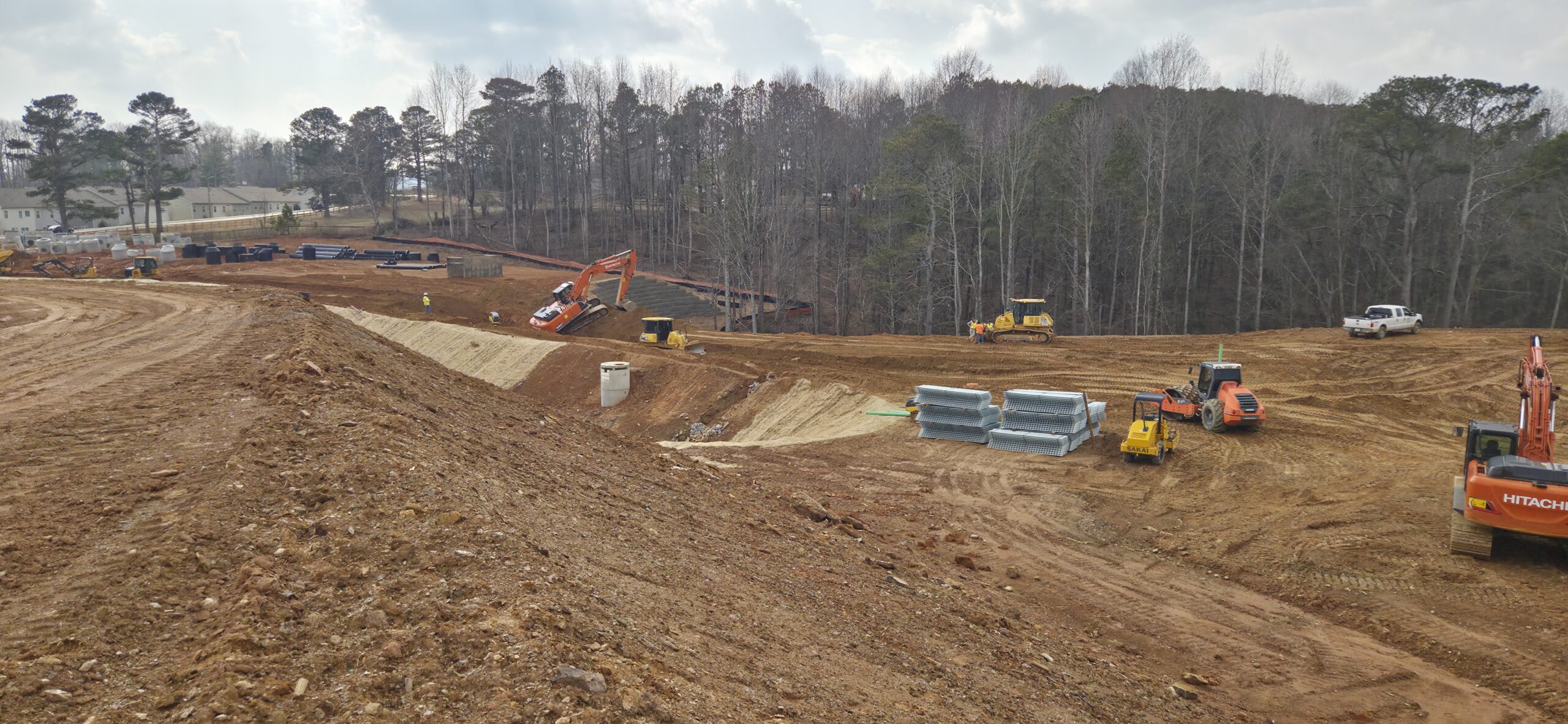
wet site
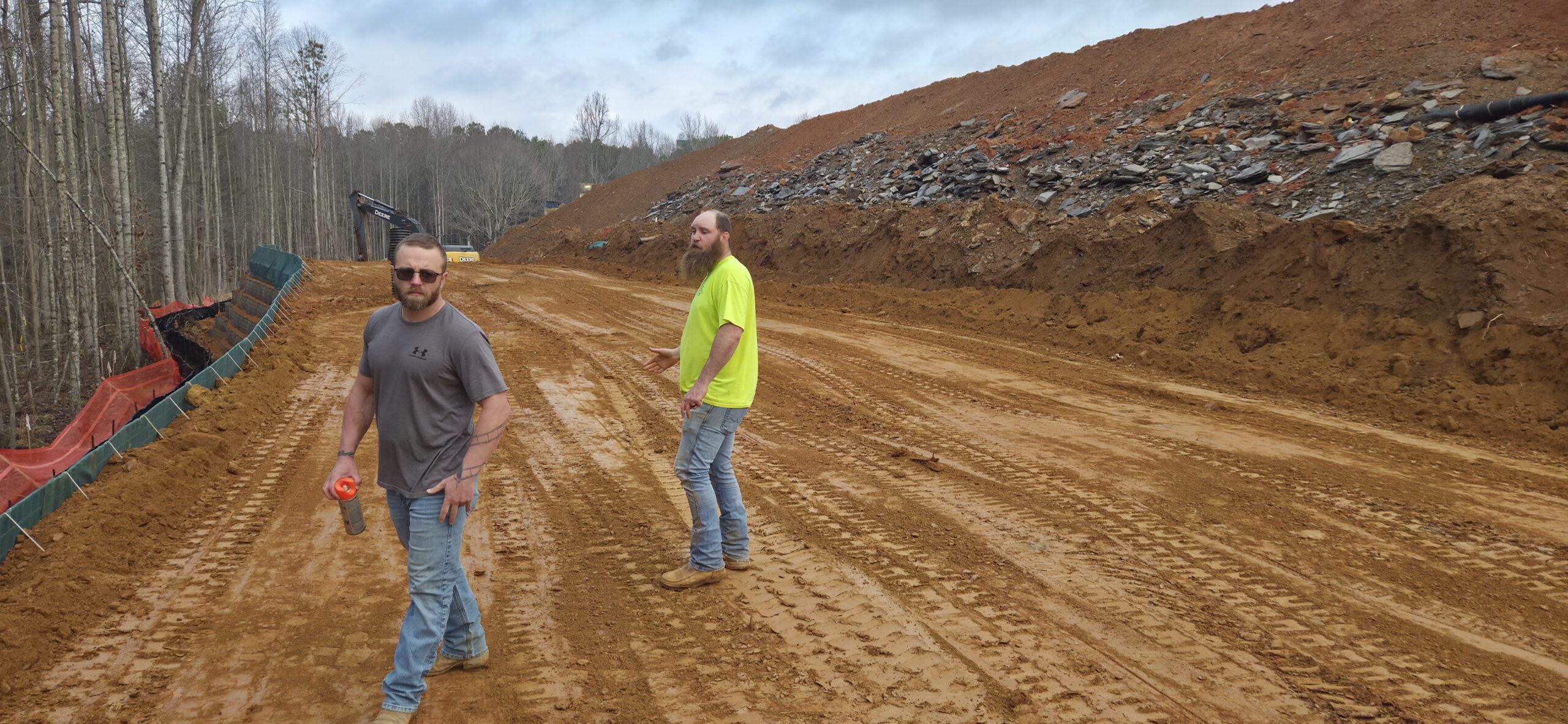
wall 2
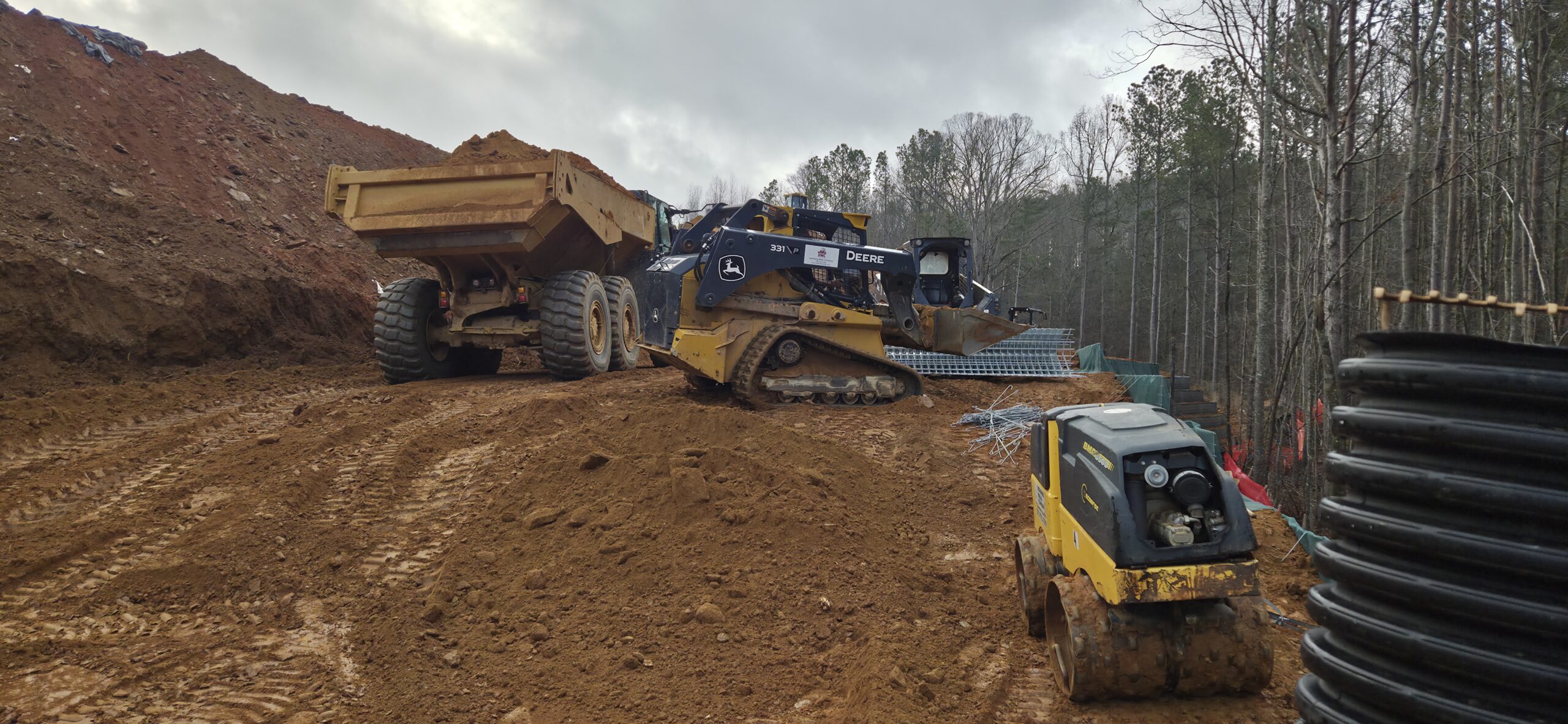
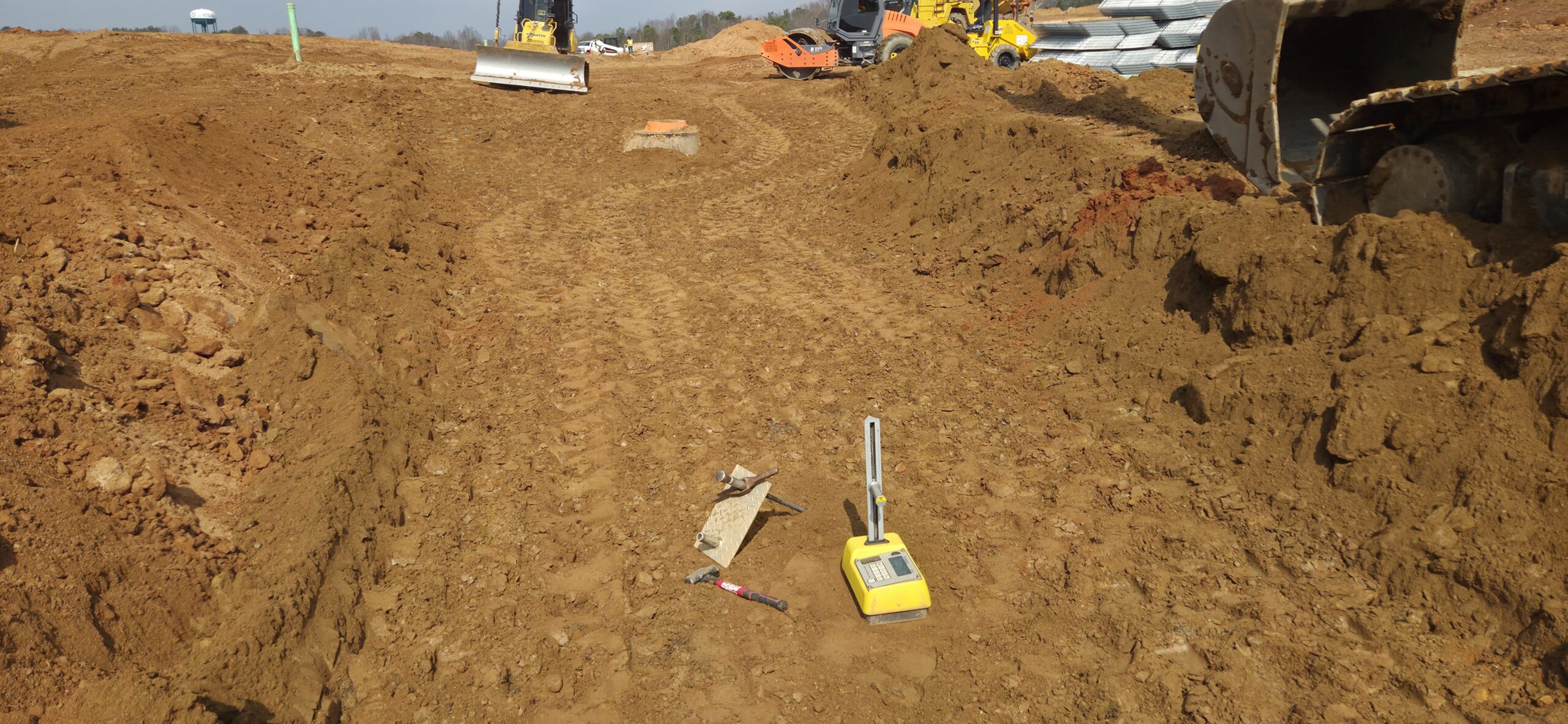
testing pipeline
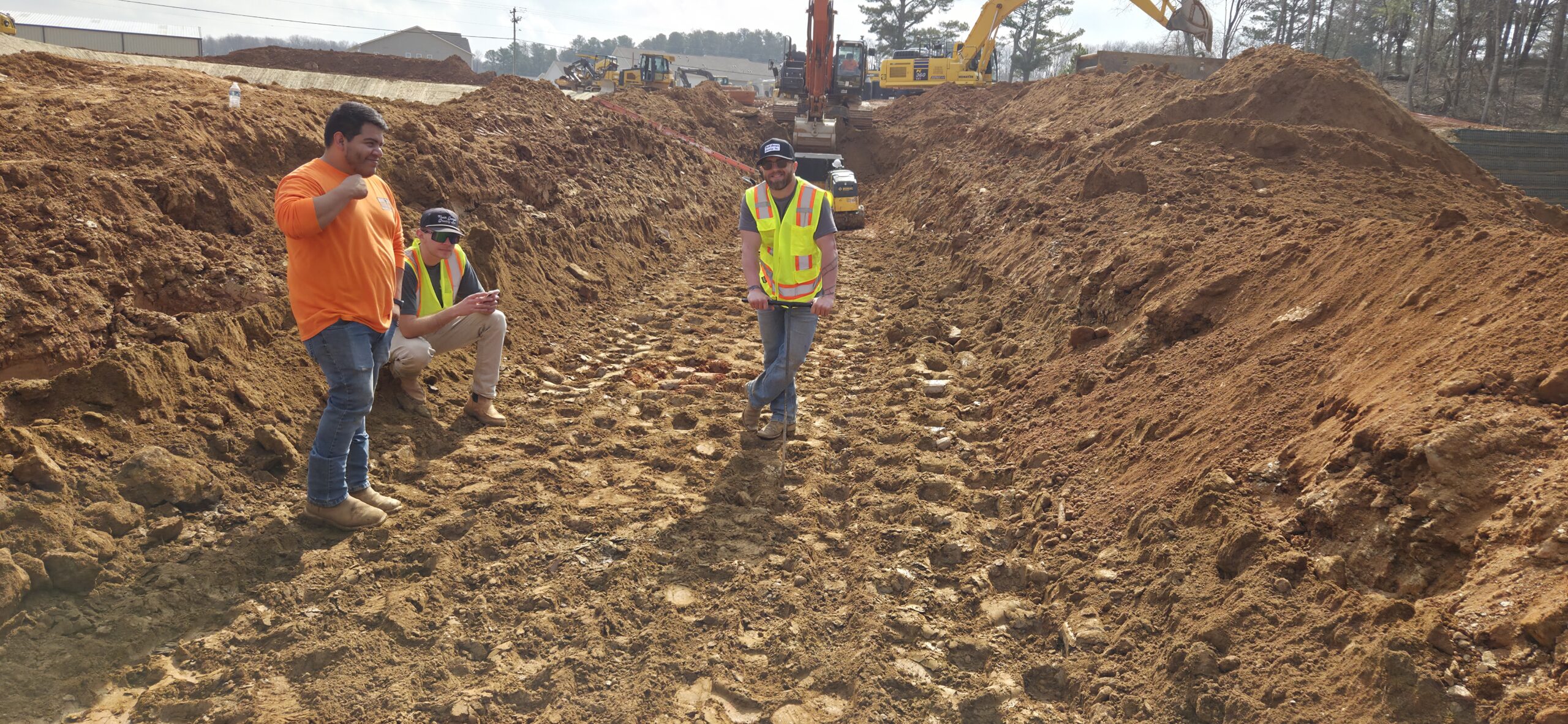
pipeline
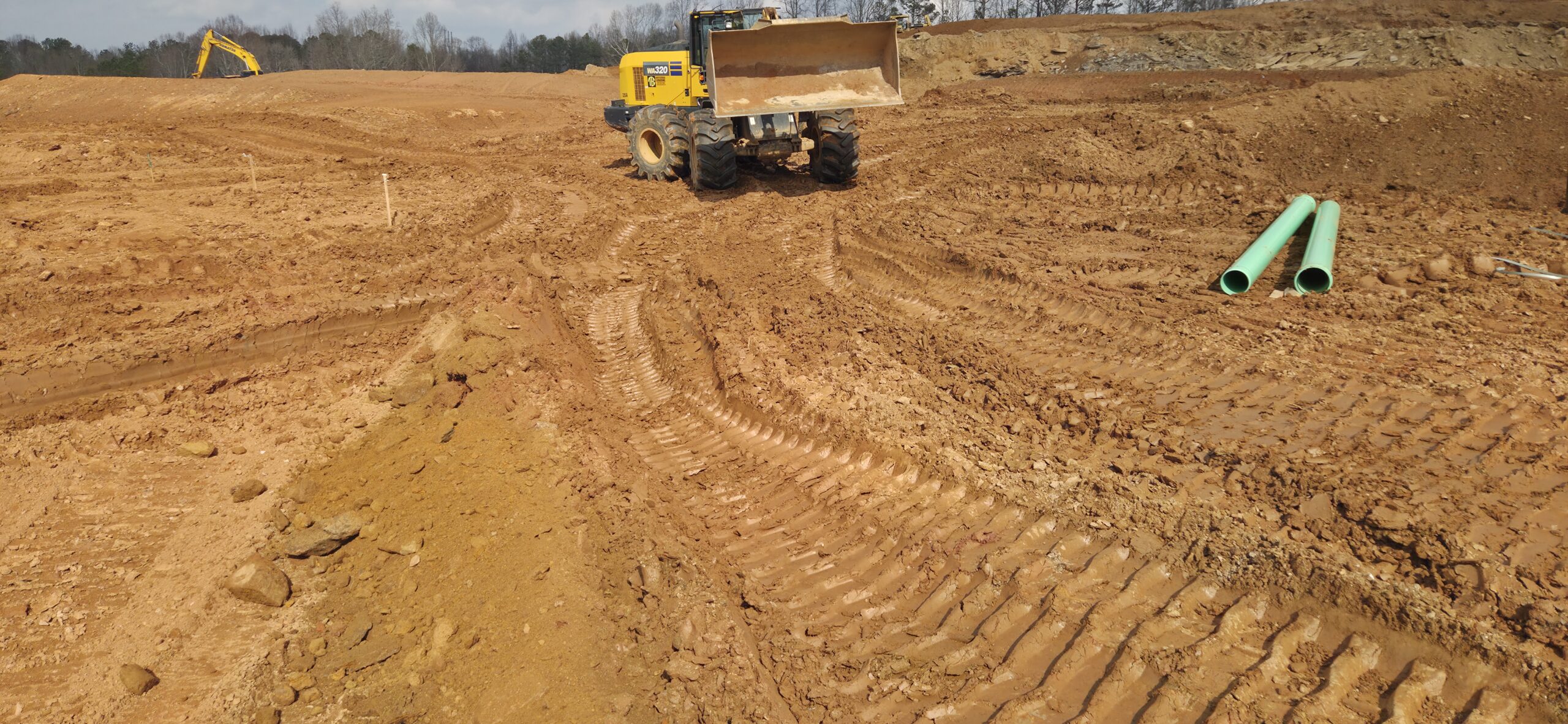
rutting from trucks due to wet site