
- Home
- Daily Field Report Report ID: 78246
- This project is inactive from admin. Download Report
Daily Field Report
Observations/Finding
At the request of the client, an AS Engineering and Consulting (ASEC) representative visited the site to perform a quality control inspection and testing of the soil conditions at Lot 3 and the future amenities area. The purpose of this investigation was to assess compliance with project drawings, specifications, applicable codes, and materials submittals.
Objectives:
- Evaluate the depth and type of organic material in the designated areas.
- Identify potential compaction issues.
- Assess soil conditions, including organic content and moisture conditions.
Lot 3 Investigation
Observations:
- Lot 3 had been cleared for a basement foundation, exposing the bottom of the basement slab.
- The removed wedge material primarily consisted of organic-laden fill, which was expected.
- It is common practice for contractors to temporarily store unsuitable material in basement lots after final lot elevation is achieved. This material is typically removed either by the builder or grading contractor before construction.
- Unexpectedly, organic material was present below the basement slab elevation.
- Soil sampling through hand augers confirmed significant organic deposits, with organic material extending:
- 4 to 5 feet deep at the front of the house pad.
- 3 to 4 feet deep at the back of the house pad.
- Dynamic cone penetrometer testing indicated that acceptable bearing capacity exists at elevations below the undesirable material.
Concerns:
- Structural Stability Risk: The presence of organic material beneath the slab elevation could lead to long-term settlement issues if not addressed.
- Compaction & Load Bearing: If left in place, the material may not provide sufficient support for future construction.
Recommendations:
- Soil Removal & Replacement: Completely remove the organic-laden material and replace it with properly compacted structural fill.
- Compaction Testing: Conduct further compaction testing to ensure adequate soil stability before proceeding with construction.
Future Amenities Area Investigation
Observations:
- Similar undocumented material was encountered in the amenities area.
- The material appeared to have been placed without proper compaction and contained organic material.
- The visual assessment indicated that the percentage of organic material present may not automatically disqualify it for use as structural fill.
- However, moisture content is high, and adjustments will be necessary before reuse as fill material.
Concerns:
- Soil Compaction: The lack of compaction efforts raises concerns about potential settlement or instability.
- Moisture Content: High moisture levels may impact the soil’s ability to perform as structural fill.
Recommendations:
- Moisture Adjustment: Condition and adjust the moisture content of the material before reuse.
- Compaction Testing: Verify compaction levels to ensure soil stability before proceeding with construction.
Conclusion
Based on the findings, significant organic material was identified in both Lot 3 and the future amenities area. While expected in some areas, its presence below the basement slab elevation is unexpected and requires remediation. Additionally, the lack of compaction in the amenities area suggests further soil treatment is needed before construction can proceed.
Action Plan:
- Remove and replace organic-laden material in Lot 3 with compacted structural fill.
- Adjust moisture content in the amenities area to allow for proper reuse as fill material.
- Conduct additional compaction testing to verify adequate soil stability before continuing construction.
If you have any questions regarding this report, please do not hesitate to contact us.
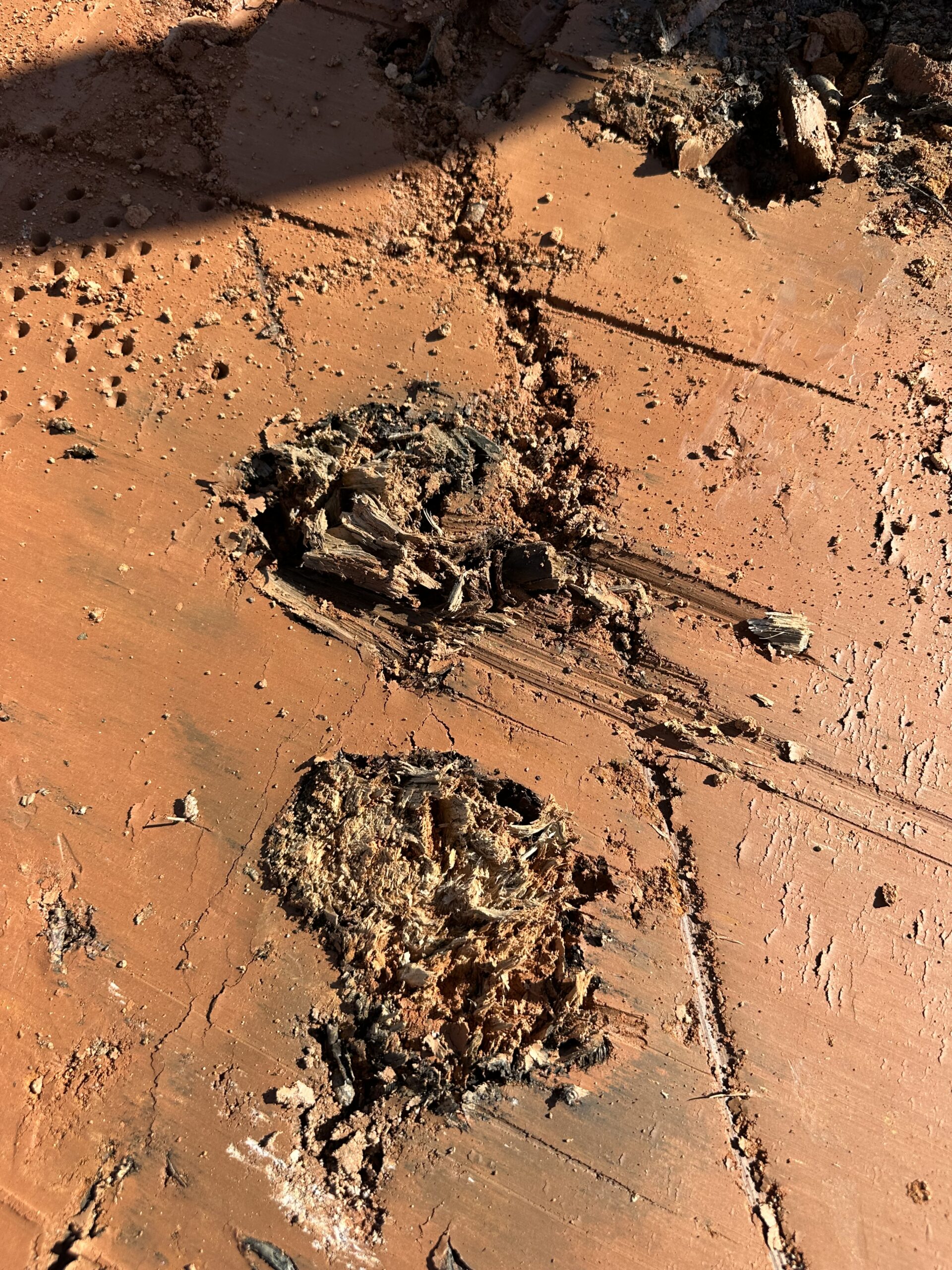
buried stumps
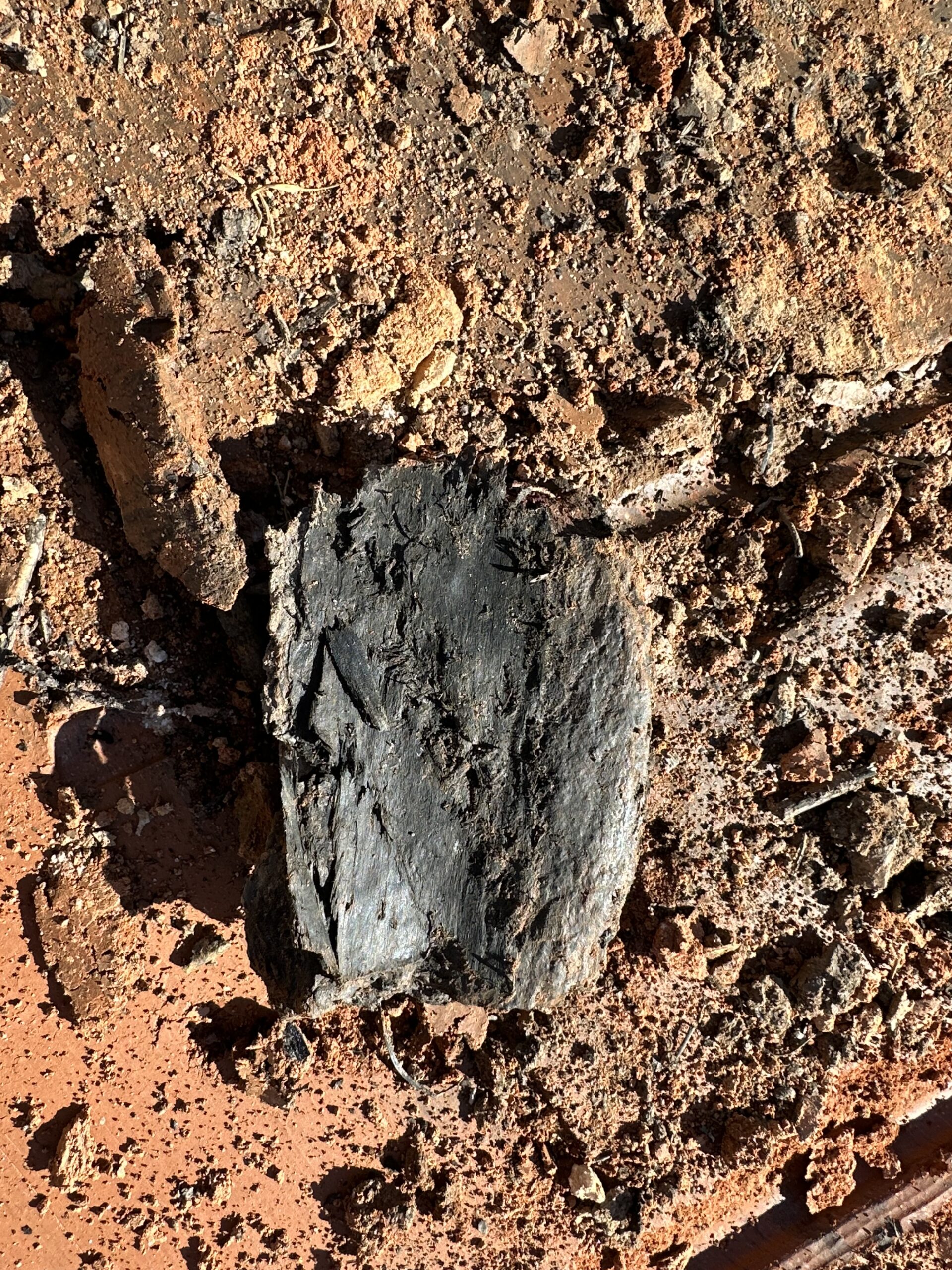
organic material