- Home
- Daily Field Report Report ID: 86114
- Edit Download Report
Daily Field Report
Observations/Finding
At the request of the client’s representative, AS ENGINEERING AND CONSULTING, LLC (ASEC) representative Amin Azimi visited the job site to observe the contractor’s work activities from a quality assurance standpoint. The purpose of the visit was to verify compliance with the project drawings, specifications, applicable codes, and approved material submittals, as well as to perform quality control testing in accordance with project requirements.
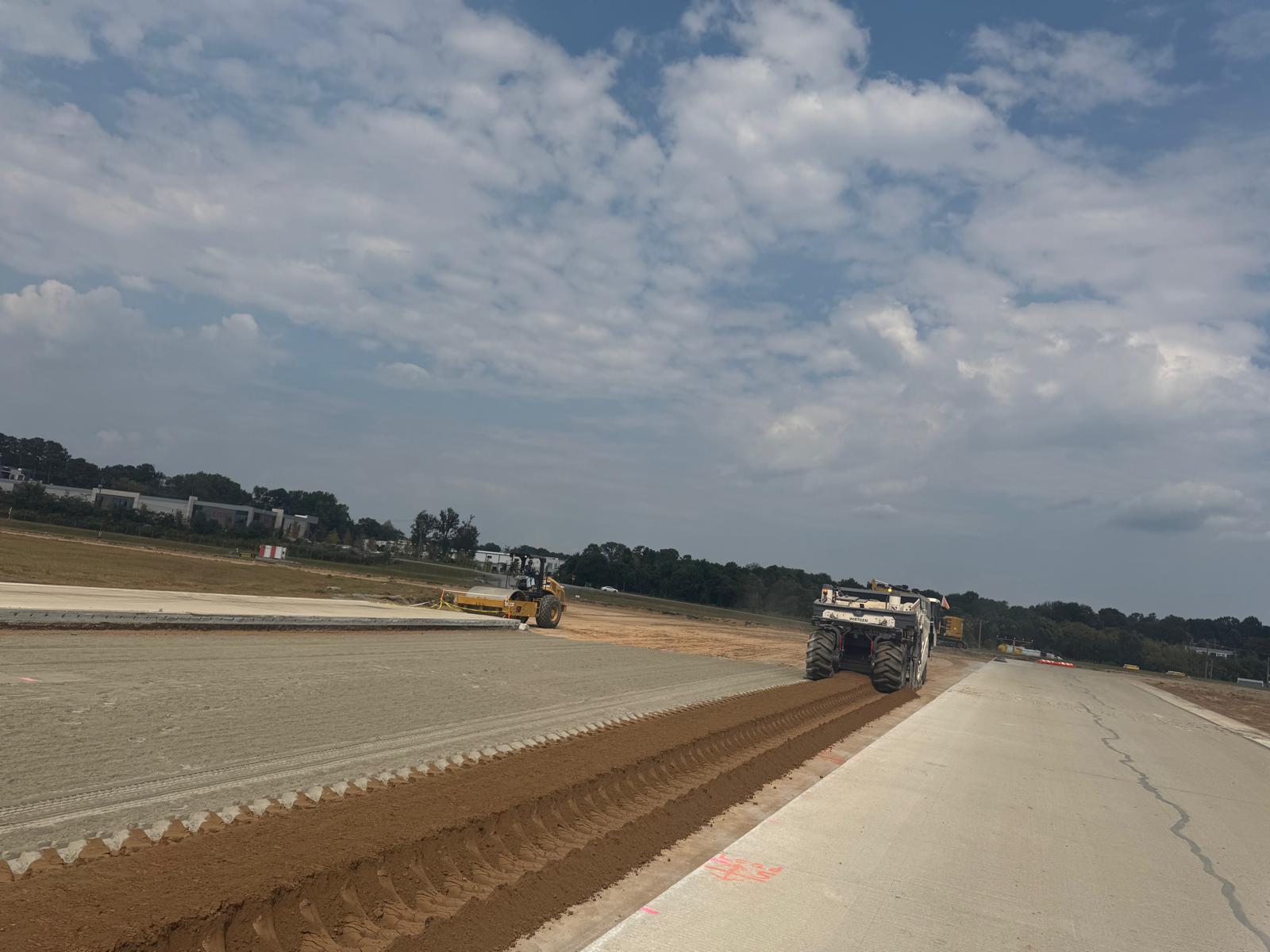
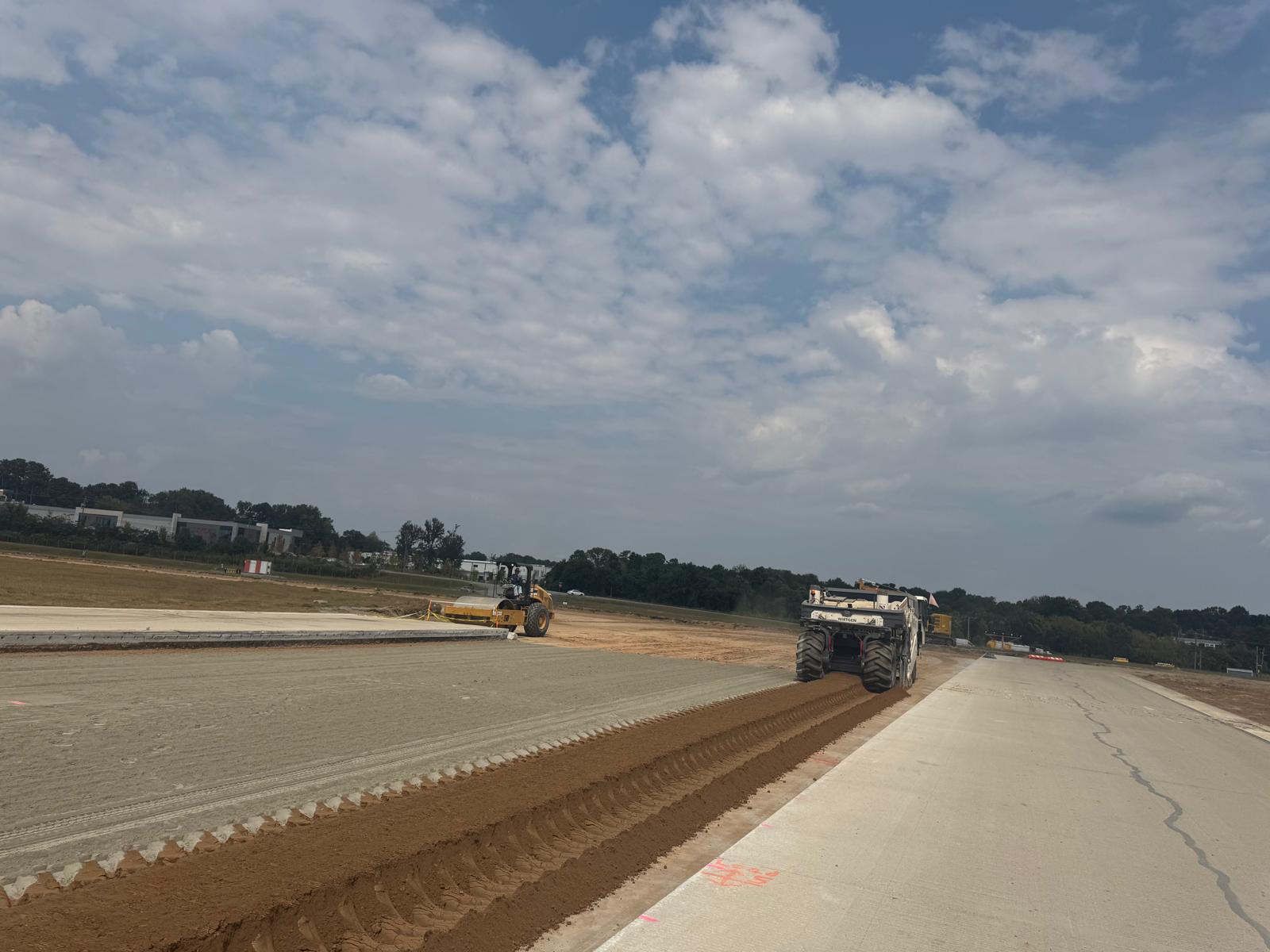
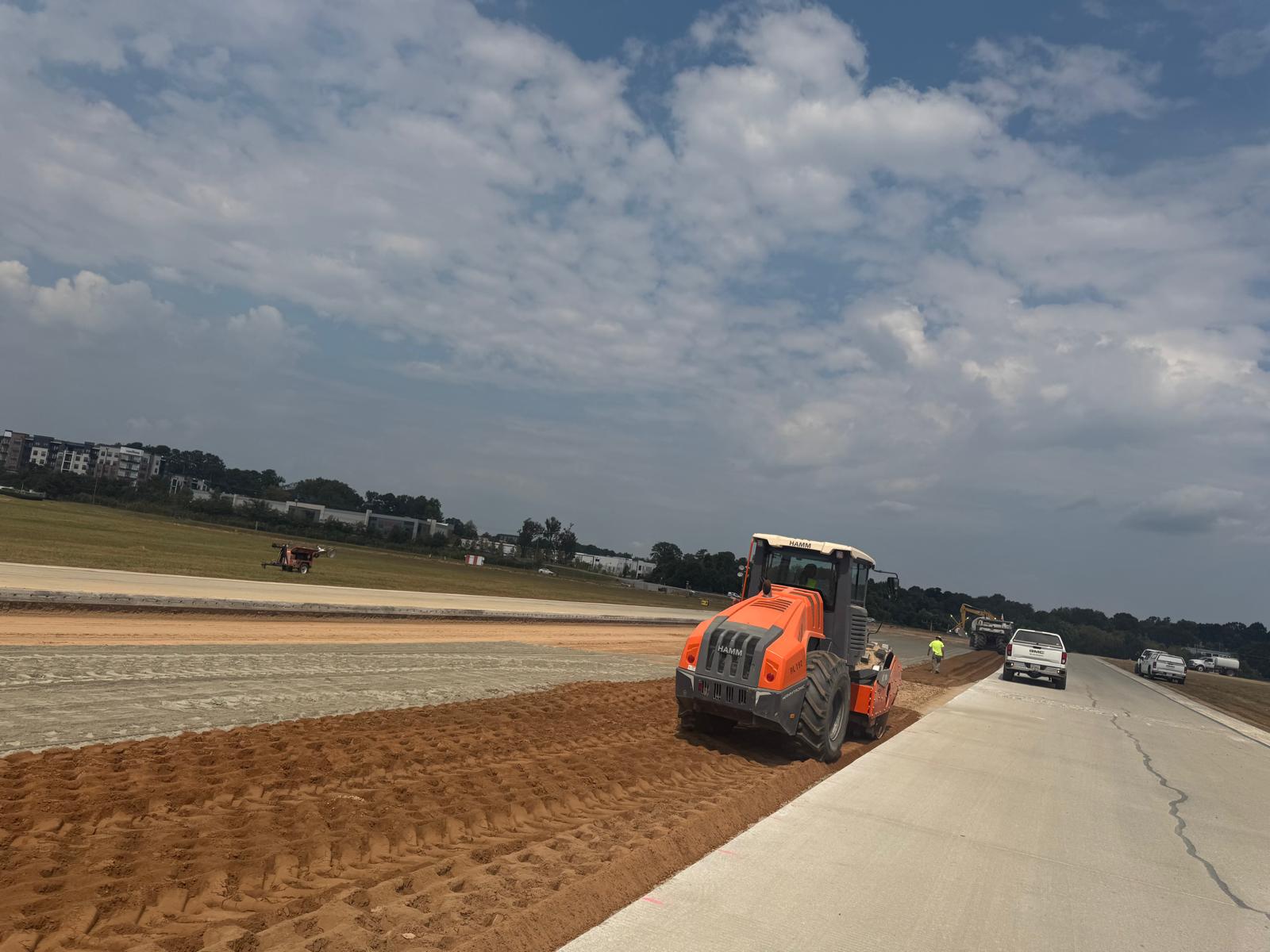
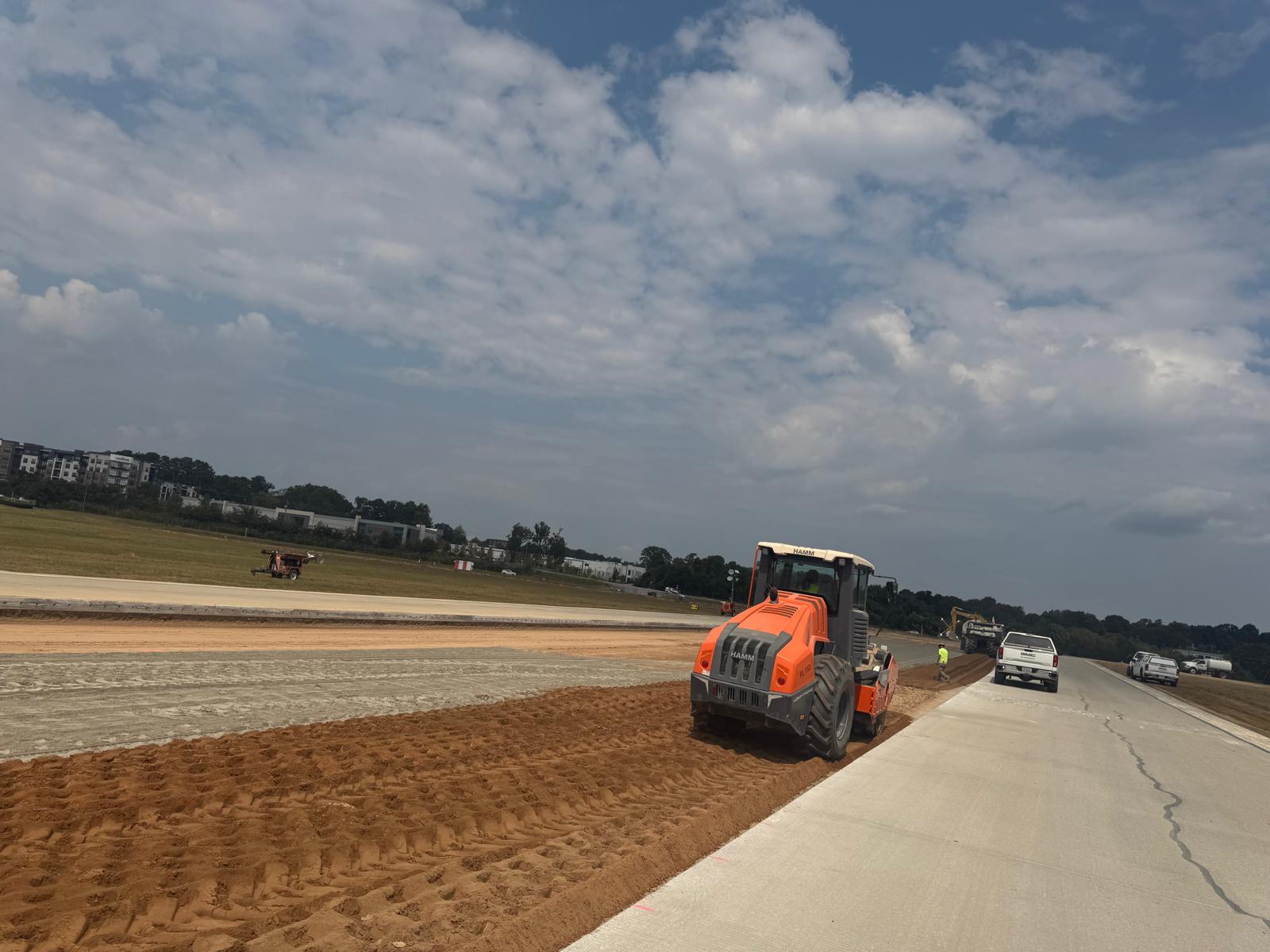
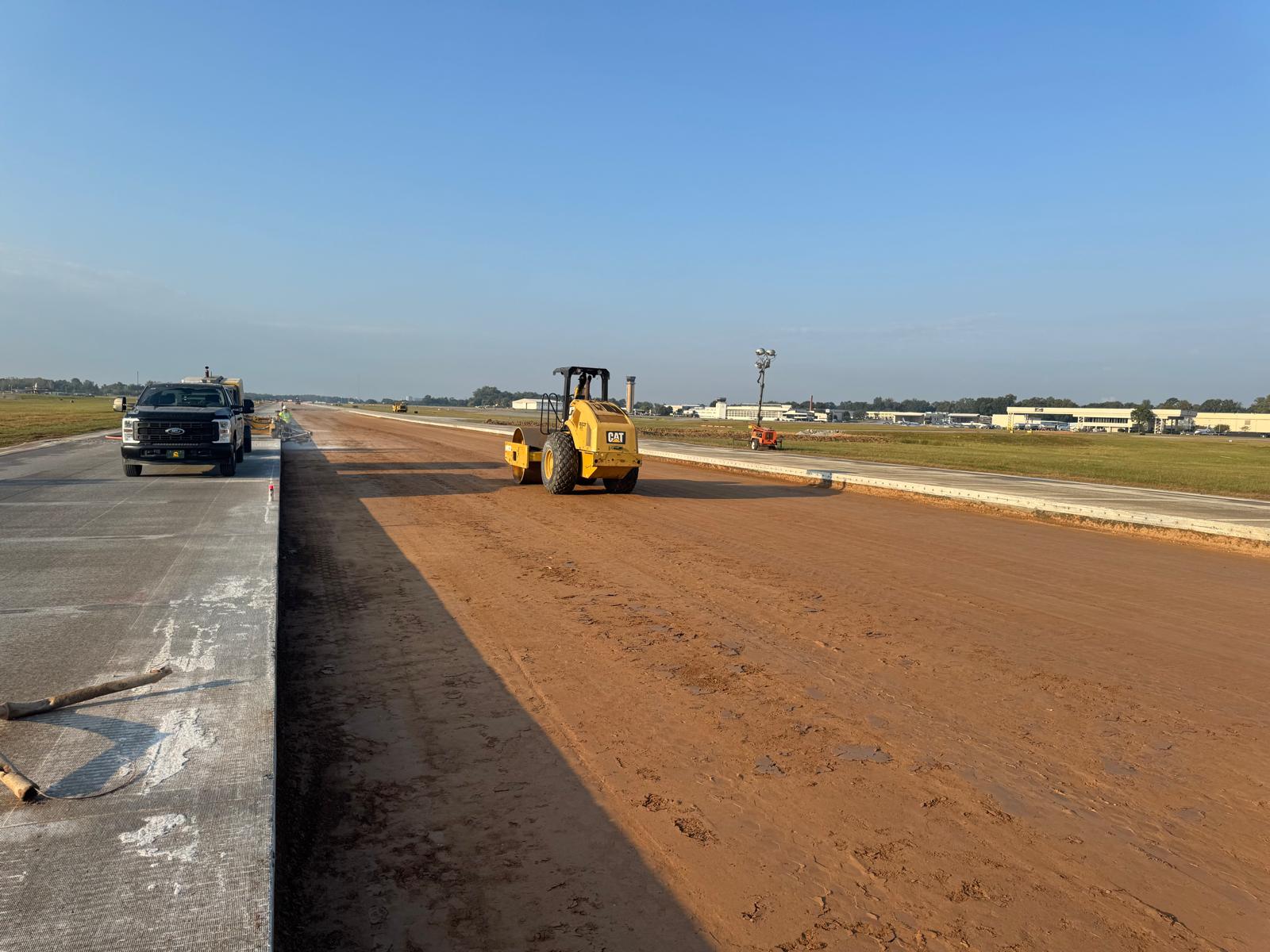
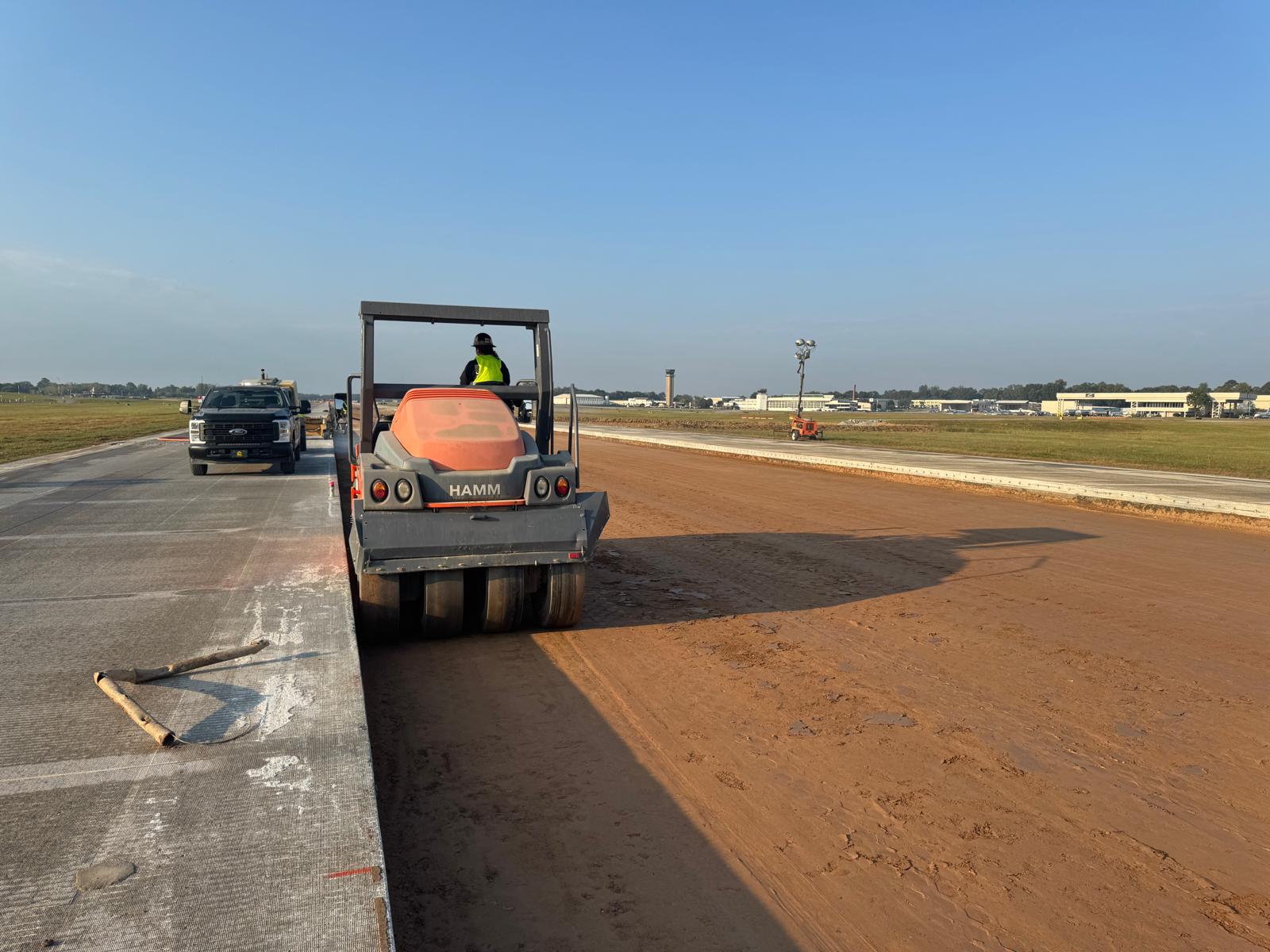
During this shift, work was underway on Phases 1B, 1C, and 1D of Runway 3R-21L.
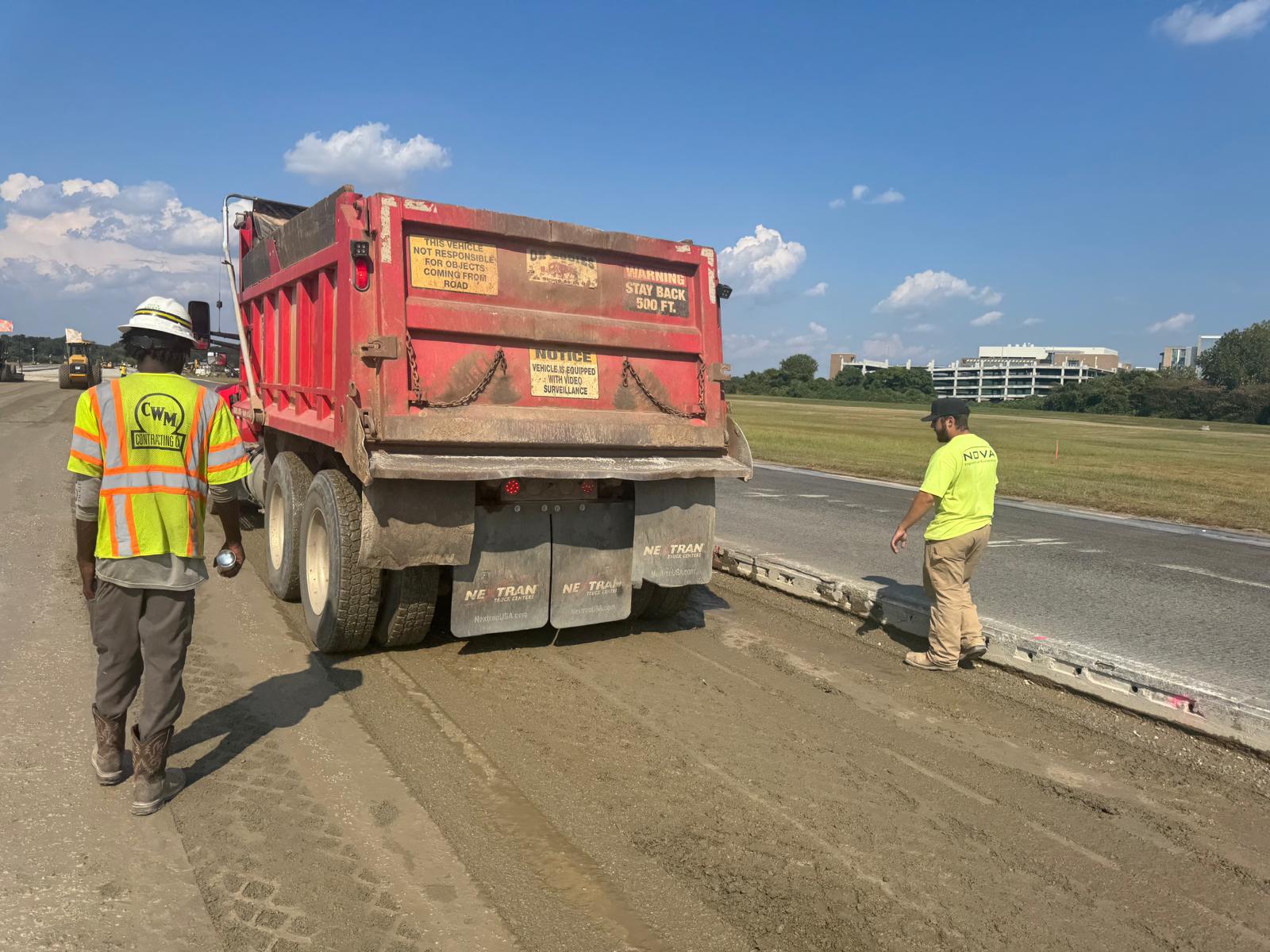
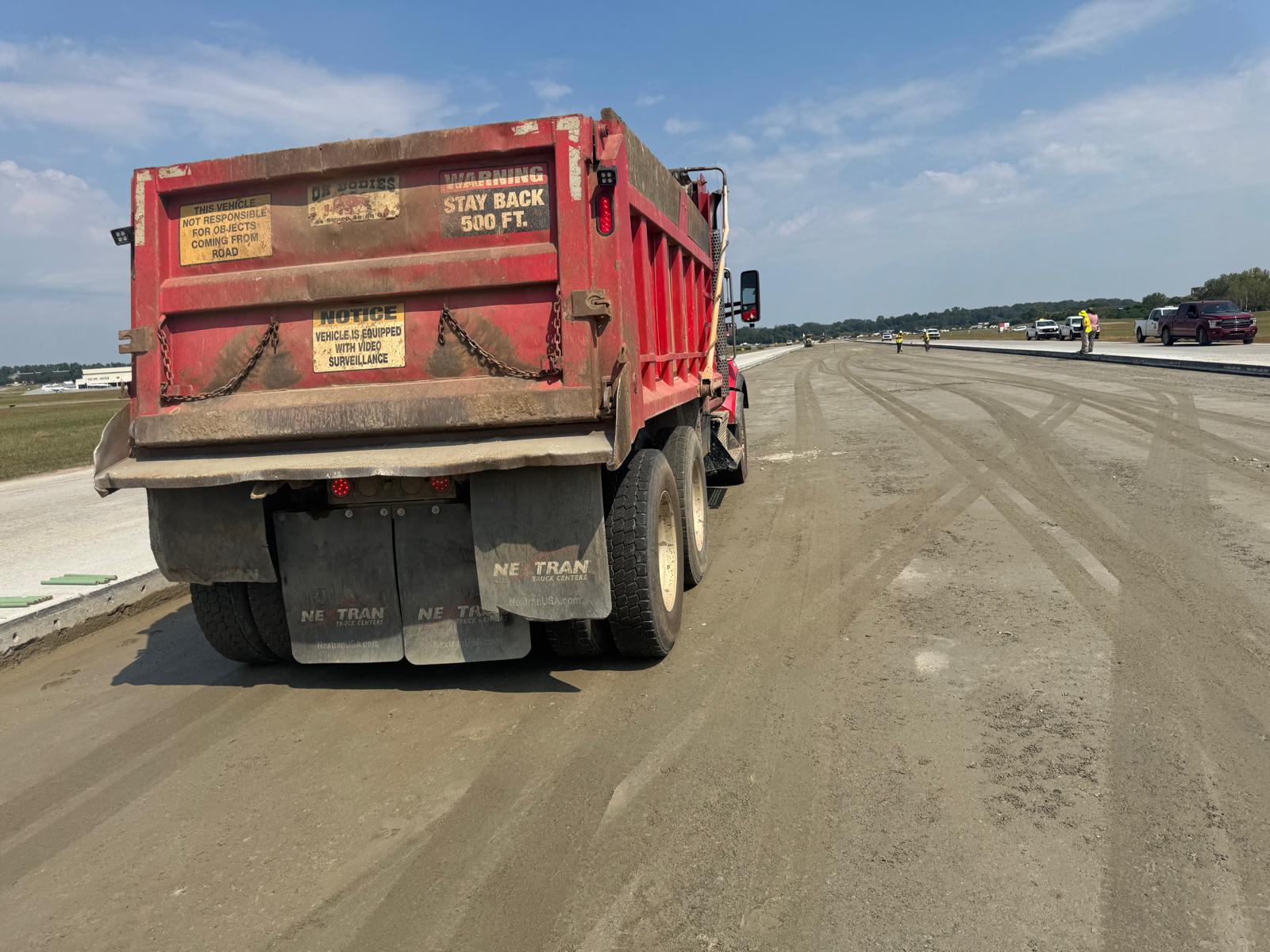
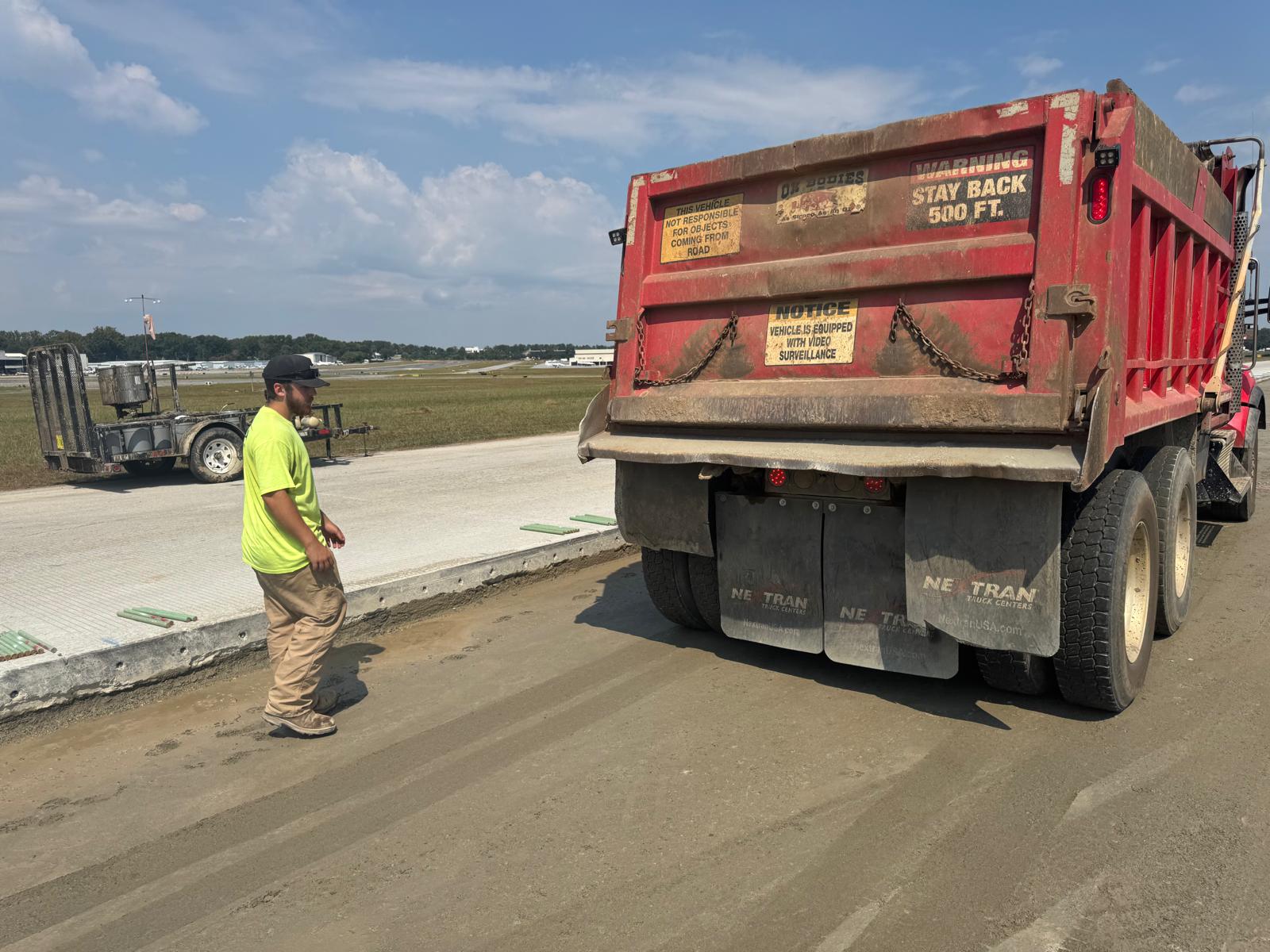
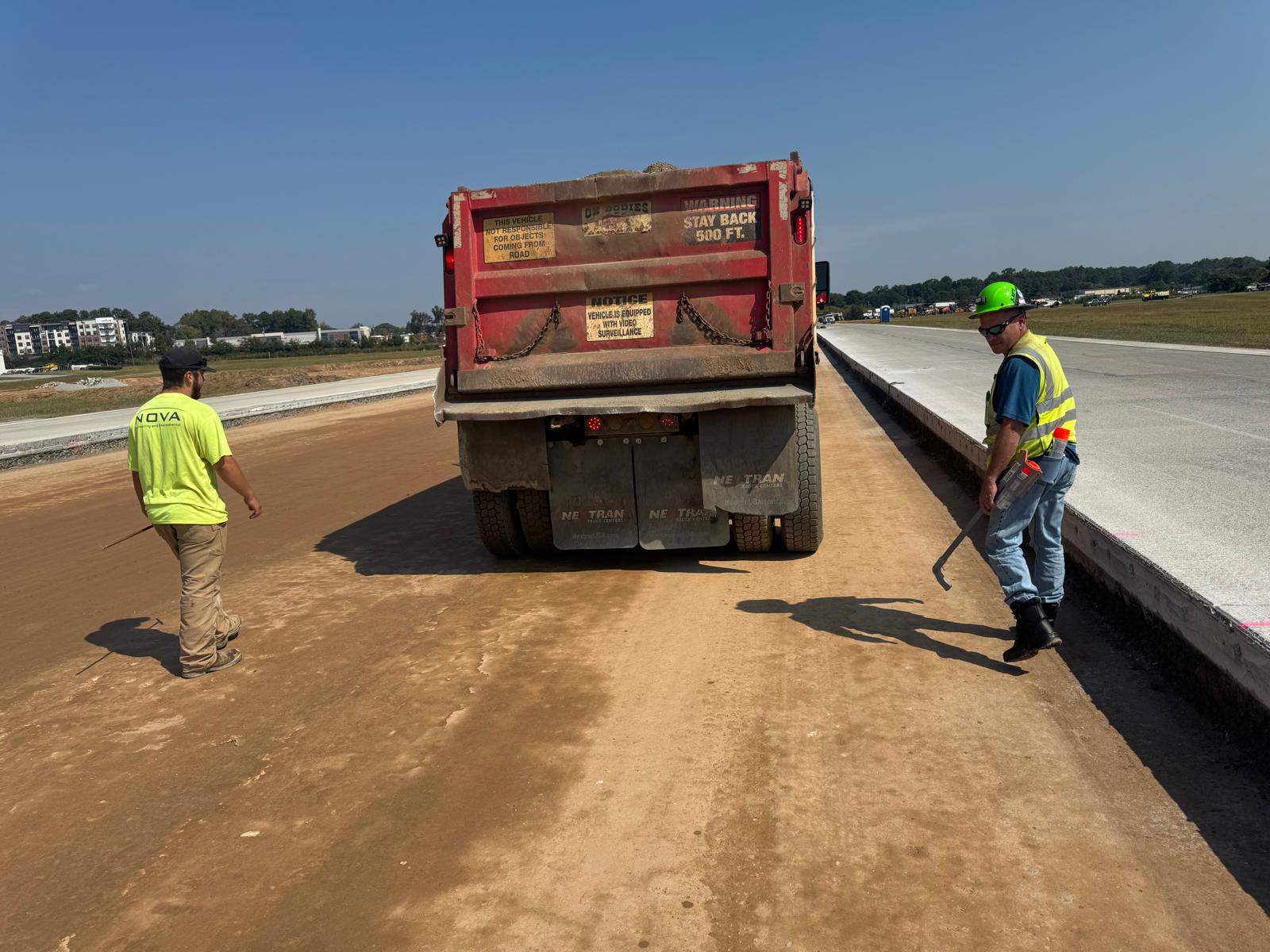
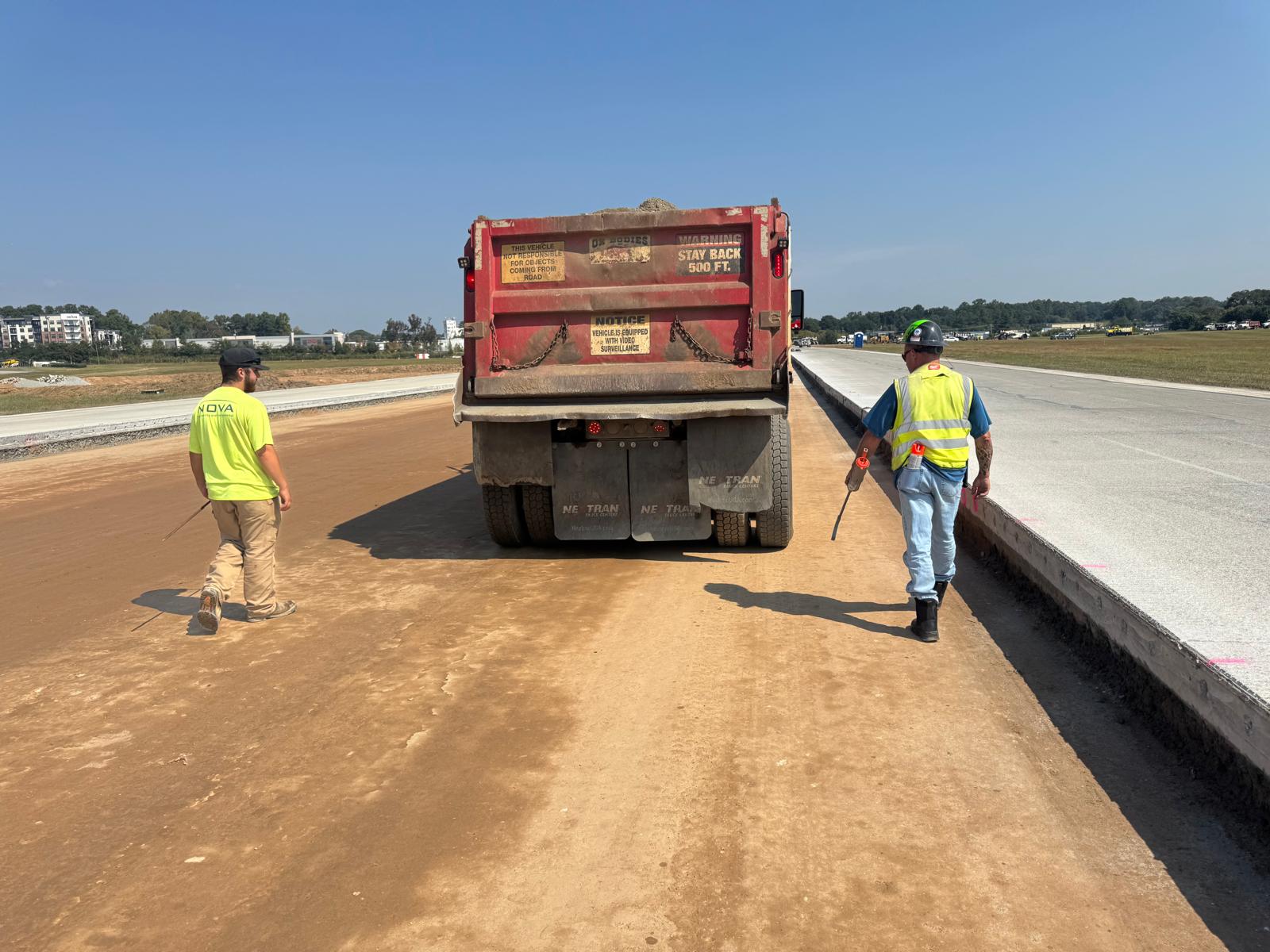
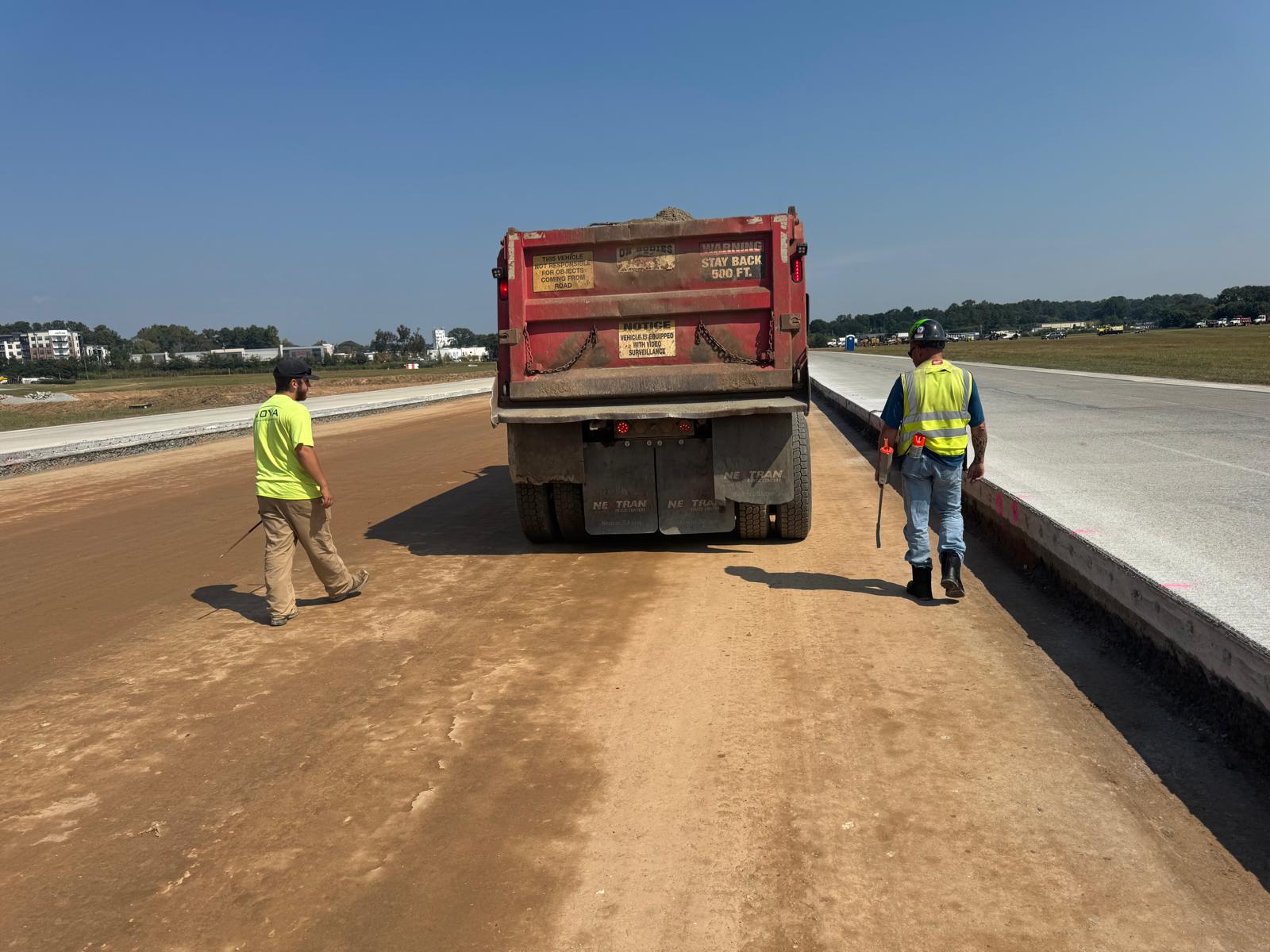
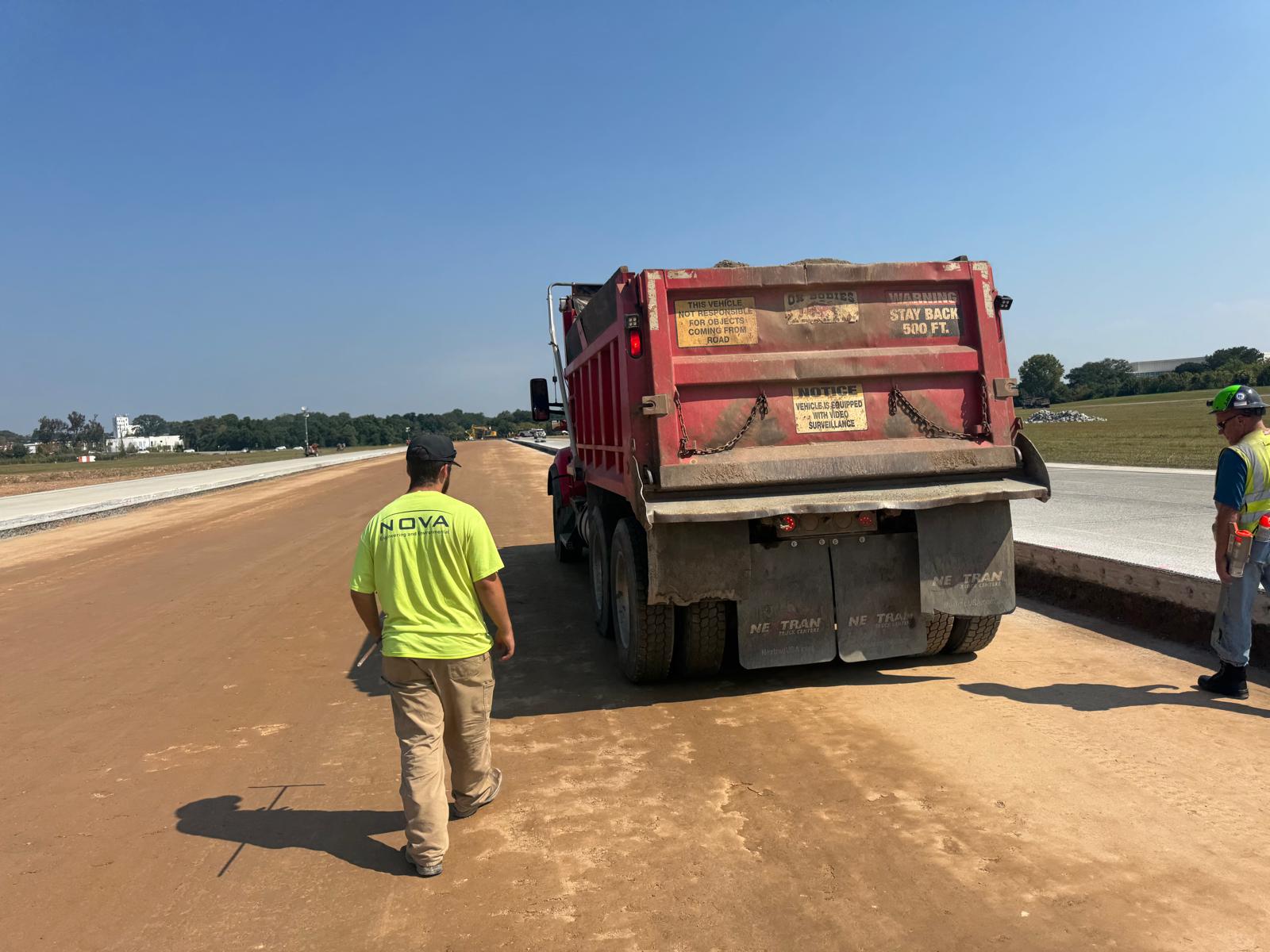
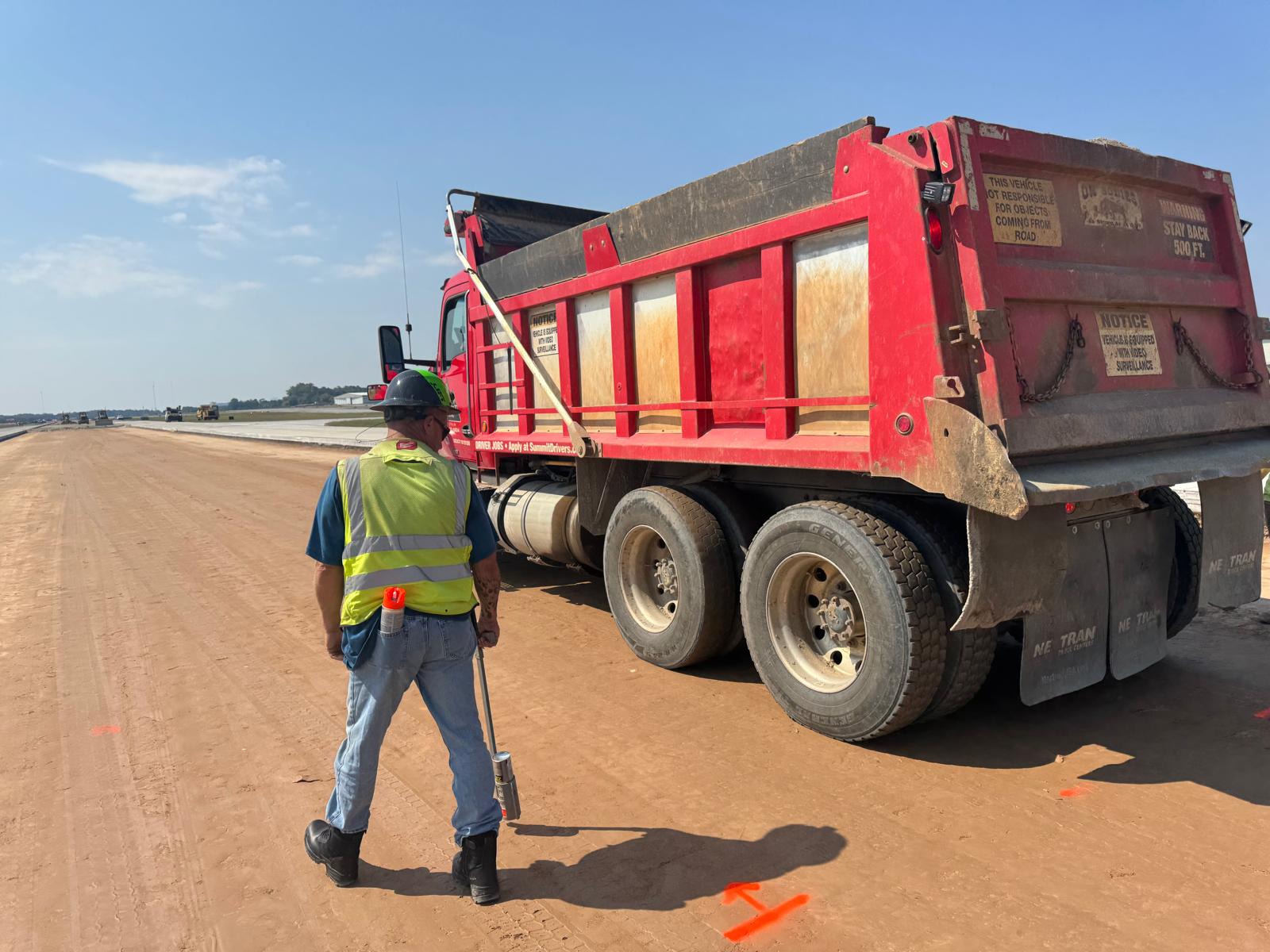
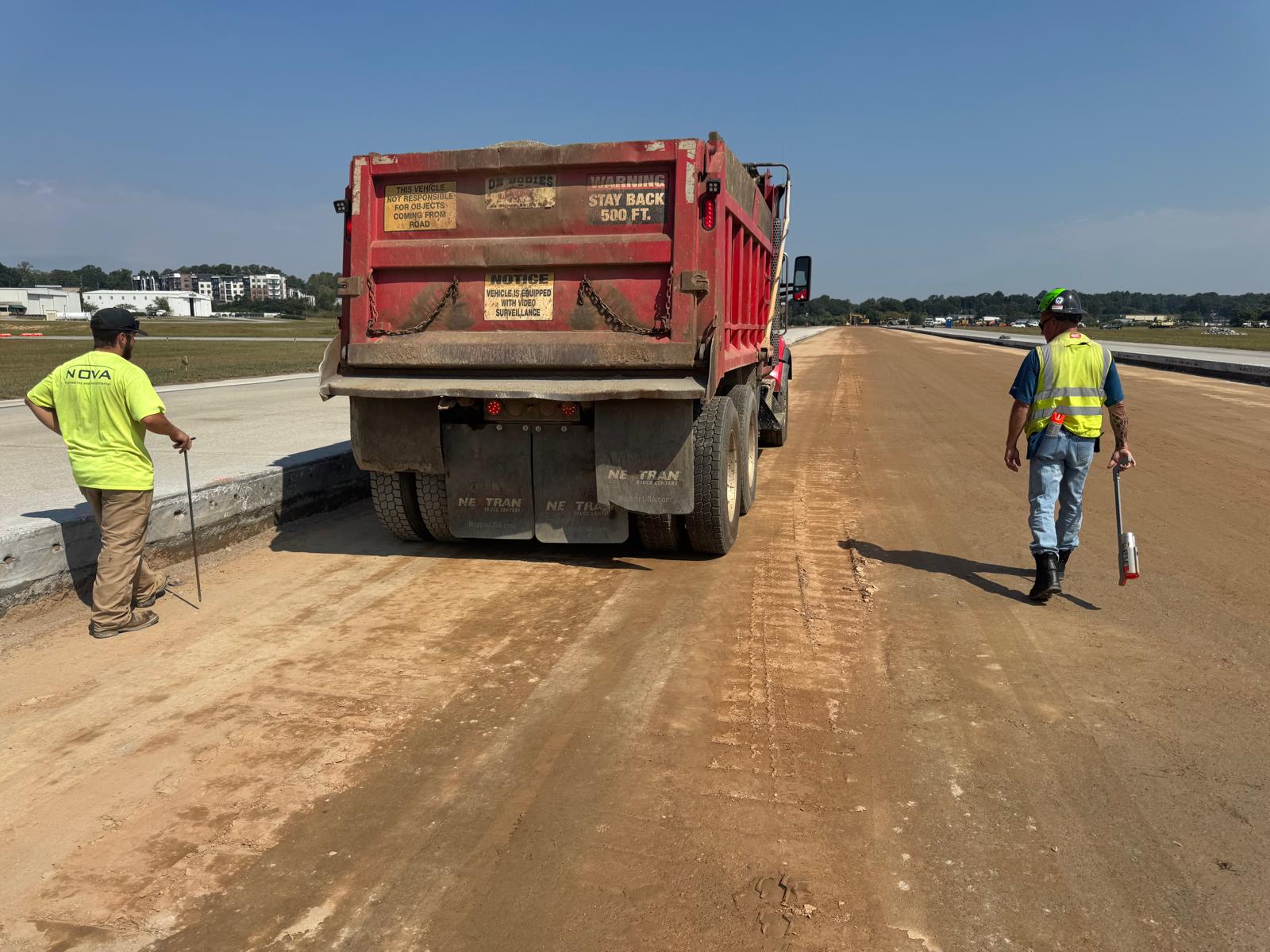
A proof-roll was performed on the subbase soil cement in Phases 1C and 1D, between STA 1068+00 and STA 1075+03, and on the finished grade of graded aggregate base (GAB) in Phase 1B, from STA 1047+63 to STA 1064+40. A fully loaded tandem axle truck was used for the proof-rolling. Multiple passes were made across the finished grade GAB, and no severe yielding or deflection was observed during this portion of the activity. However, in the soil cement, some yielding and deflection were noted in several areas, specifically measuring (32 ft. × 88 ft.), (20 ft. × 133 ft.), (42 ft. × 13 ft.), (117 ft. × 27 ft.), (17 ft. × 19 ft.), and (43 ft. × 47 ft.). It was recommended that these areas be remixed with an additional 20–25 pounds of cement per square yard to meet specification requirements.
The proof-rolling activities were jointly observed by the undersigned (Amin Azimi), Christian (QA Representative from Nova), and Daug (Representative of ATL Pavement). In addition, the contractor placed 8 inches of GAB in Phase 1C.
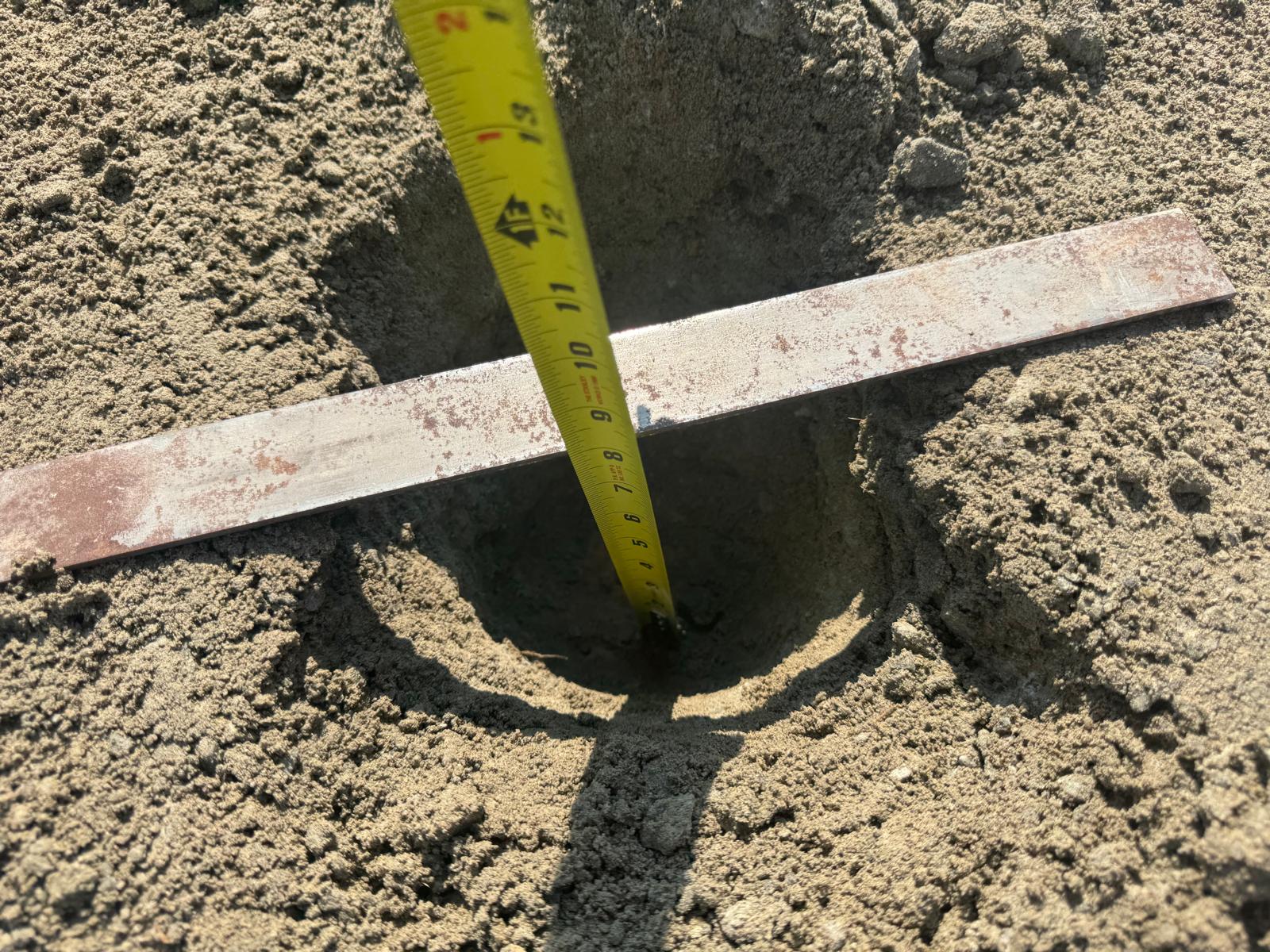
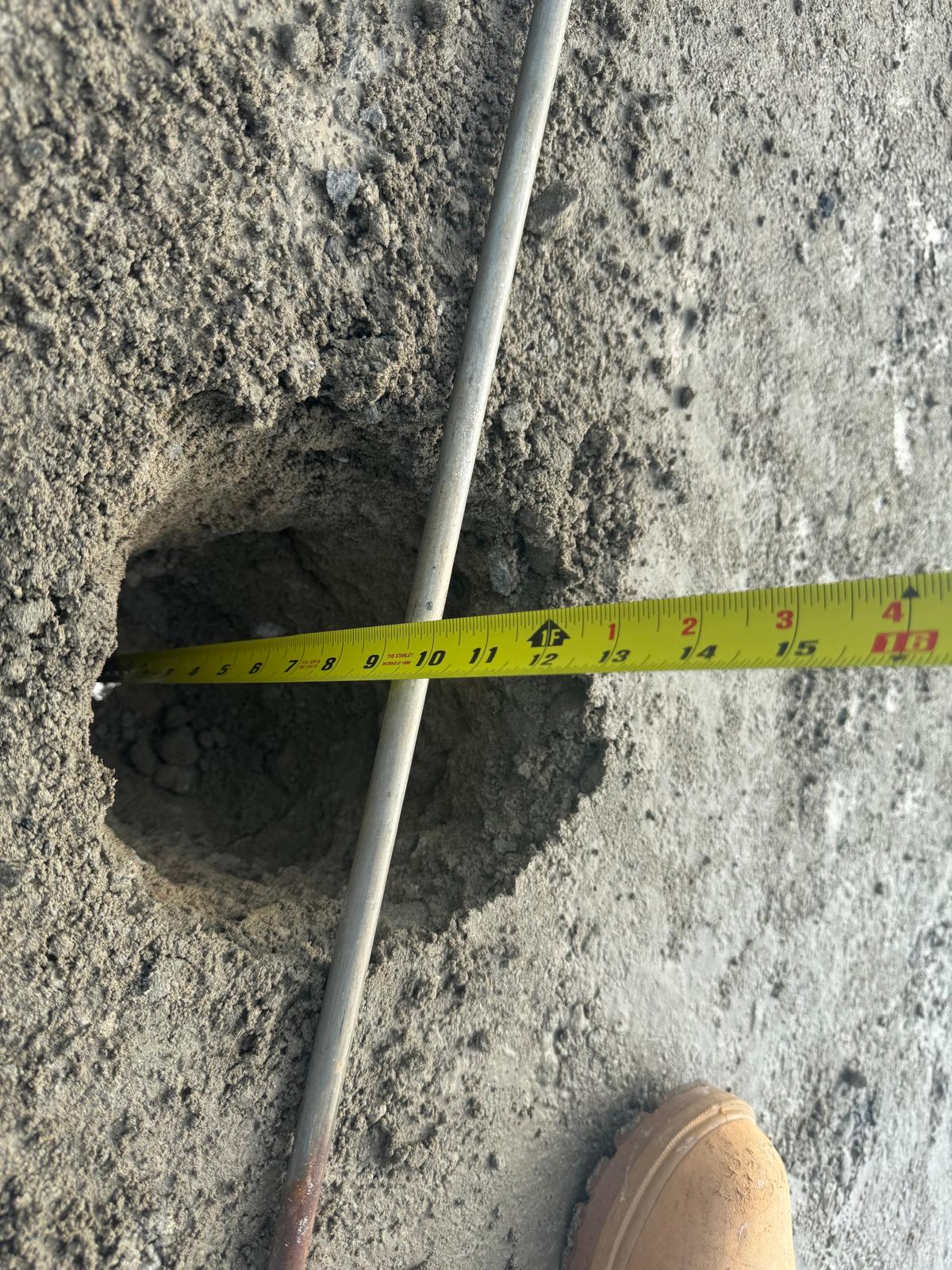
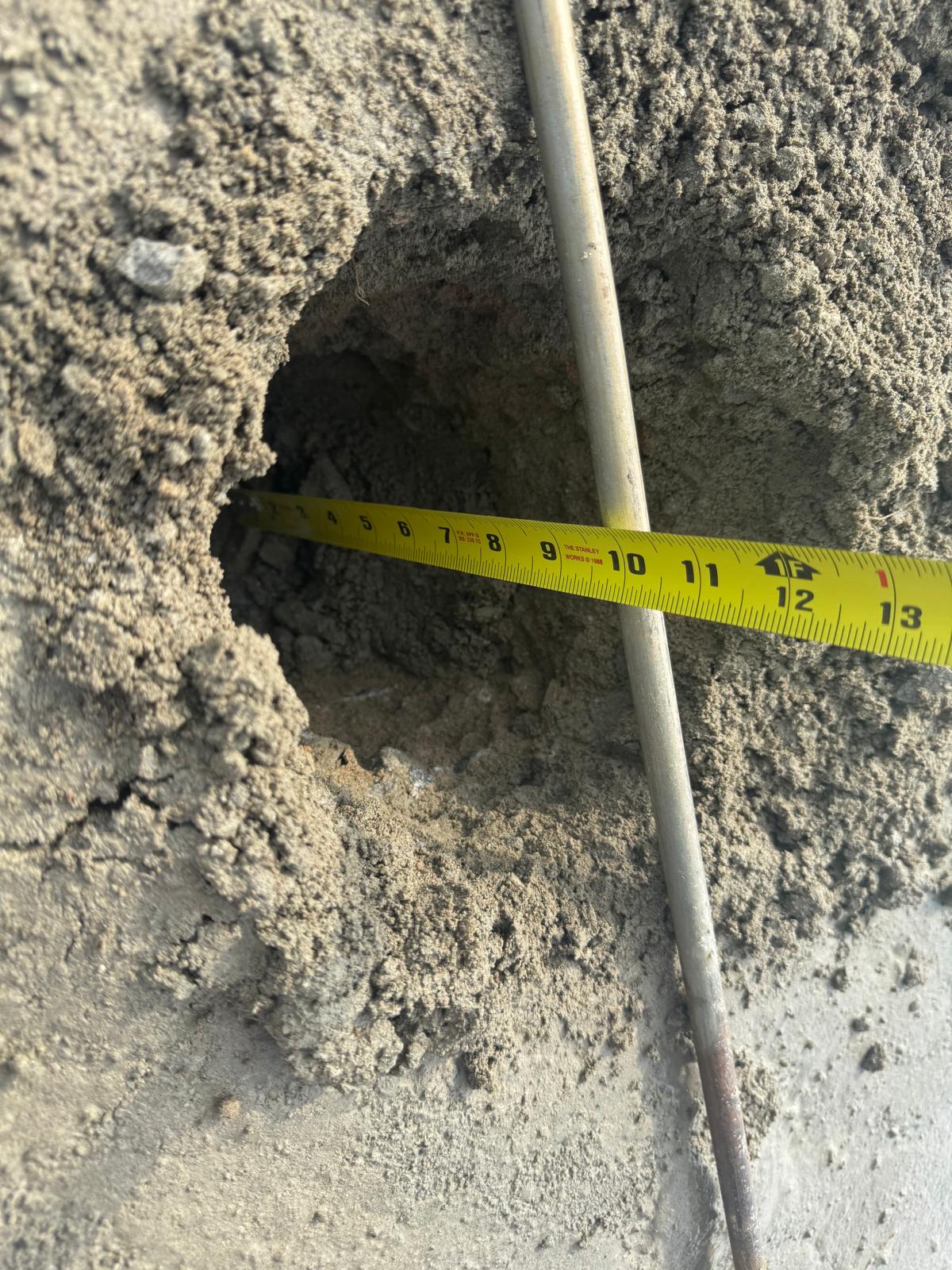
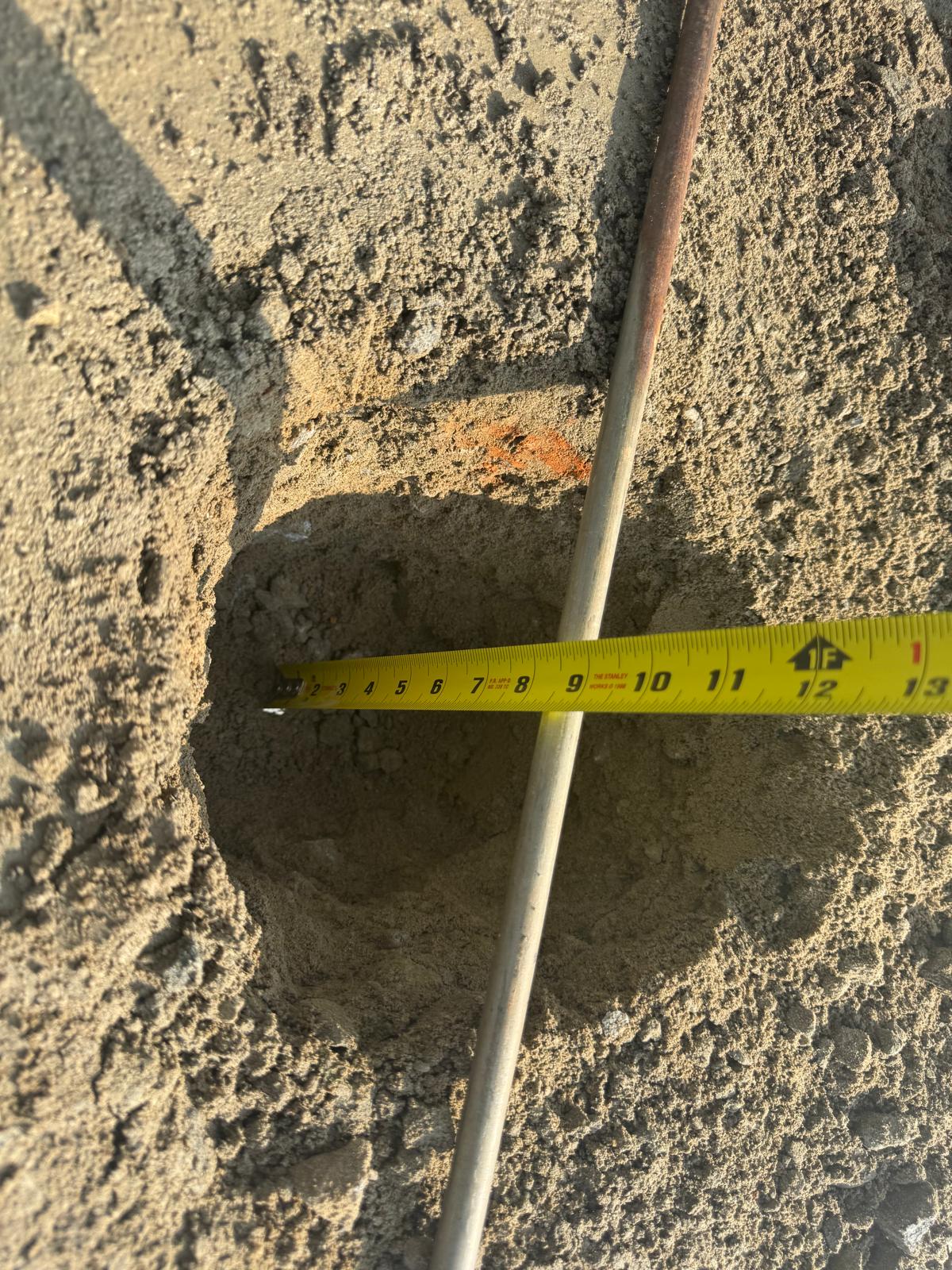
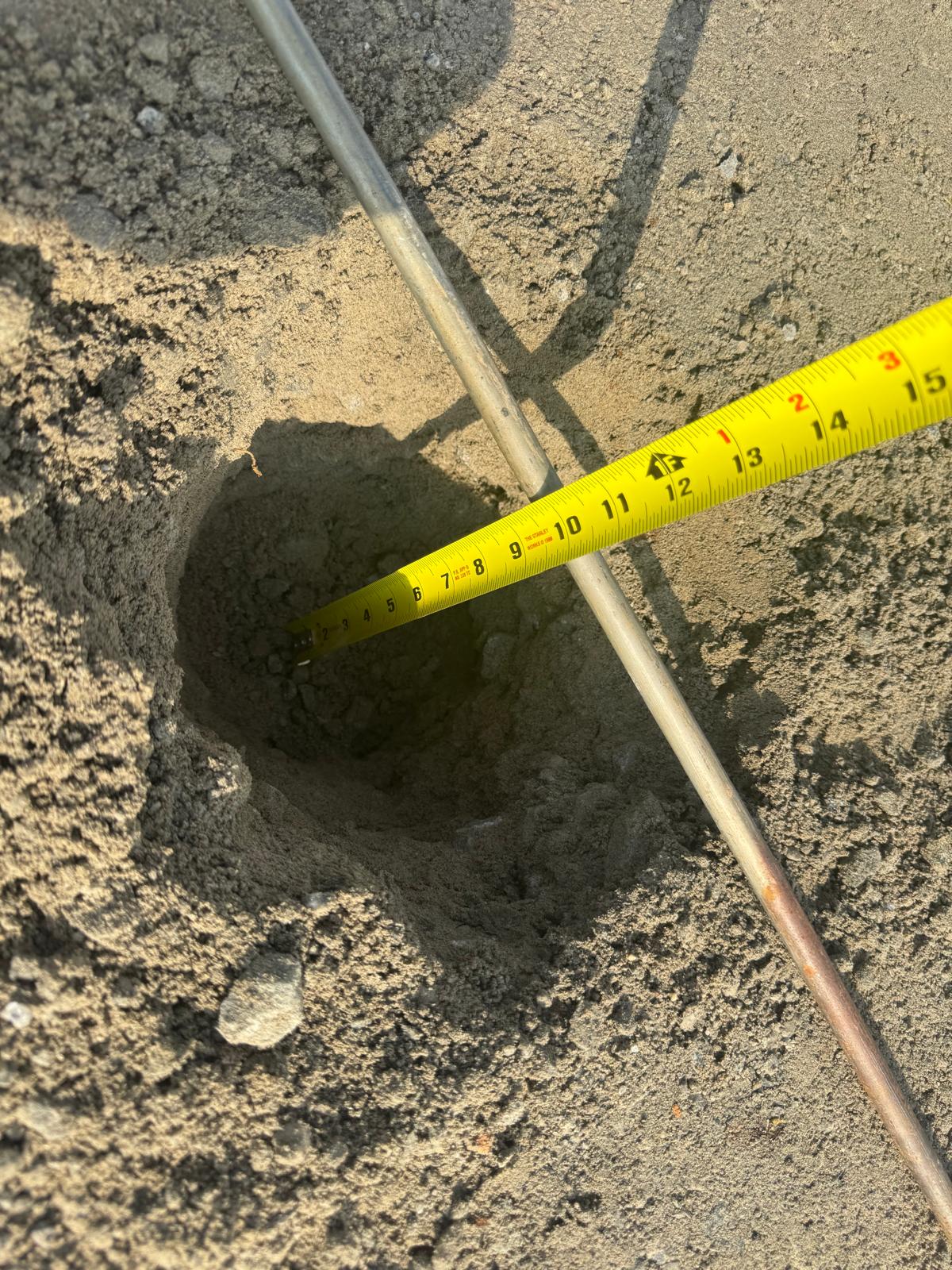
Also performed a depth check for the GAB in phase 1B and 1C from STA 1047+63 to 1064+40 at 20 random locations. Results were acceptable for the QA.
Compaction testing was conducted on the finished grade GAB in Phase 1C from STA 1058+63 to STA 1064+40 using a Troxler nuclear density gauge. The results indicated that most of the compacted material met the project requirement of achieving a minimum of 100% of the maximum dry density, in accordance with ASTM D1557 (Modified Proctor).
We appreciate the opportunity to support this project. Should you have any questions regarding this report, please do not hesitate to contact us. We would be pleased to discuss our findings further.