- Home
- Daily Field Report Report ID: 88332
- Edit Download Report
Daily Field Report
Observations/Finding
As requested, the site was visited by our AS Engineering and Consulting (ASEC) representative for the purpose of providing quality control inspection and testing services. Visual observation techniques were employed to verify compliance with project drawing/specifications, applicable codes, and materials
submittals. The following observations were observed on site this day.
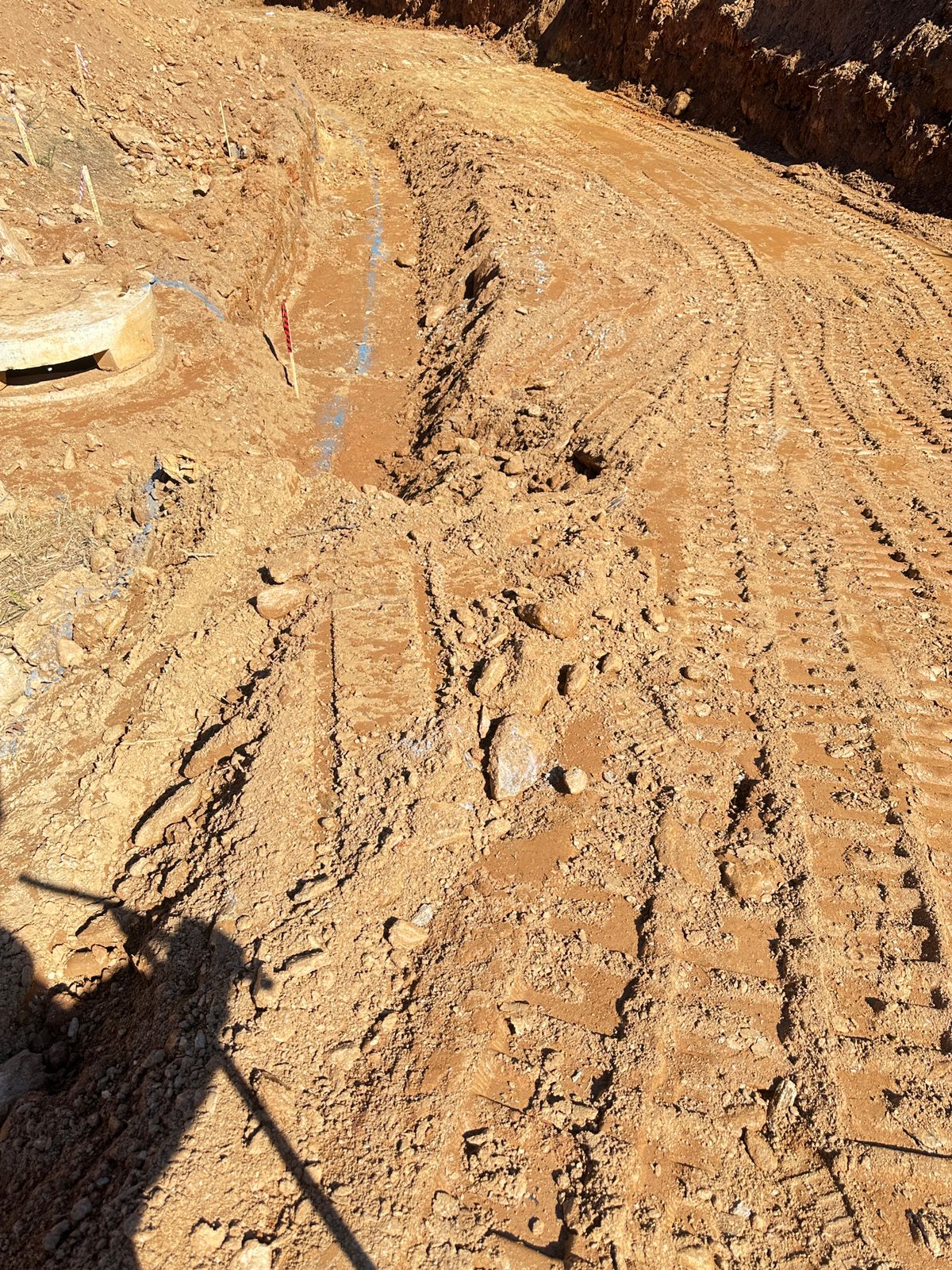
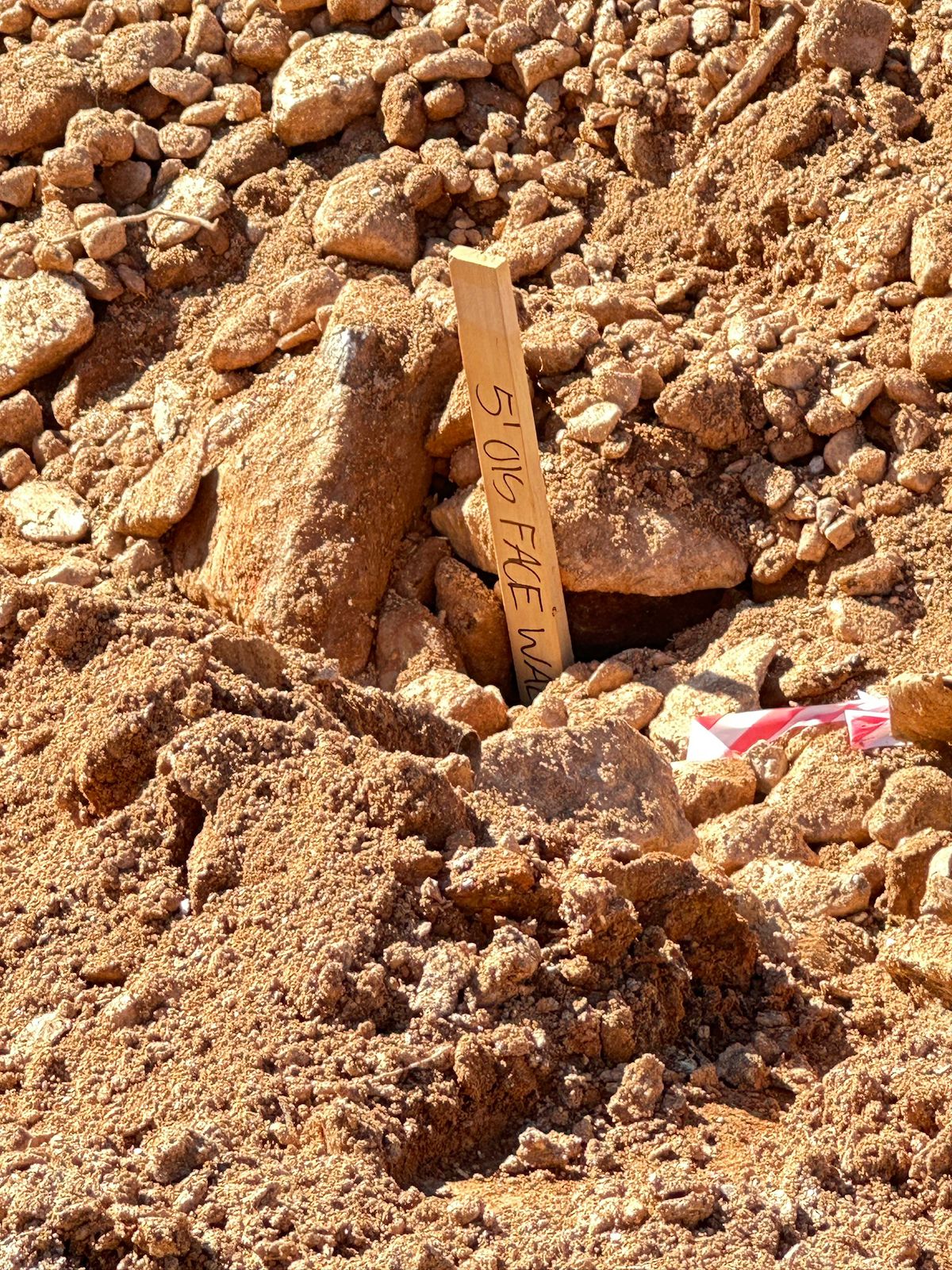
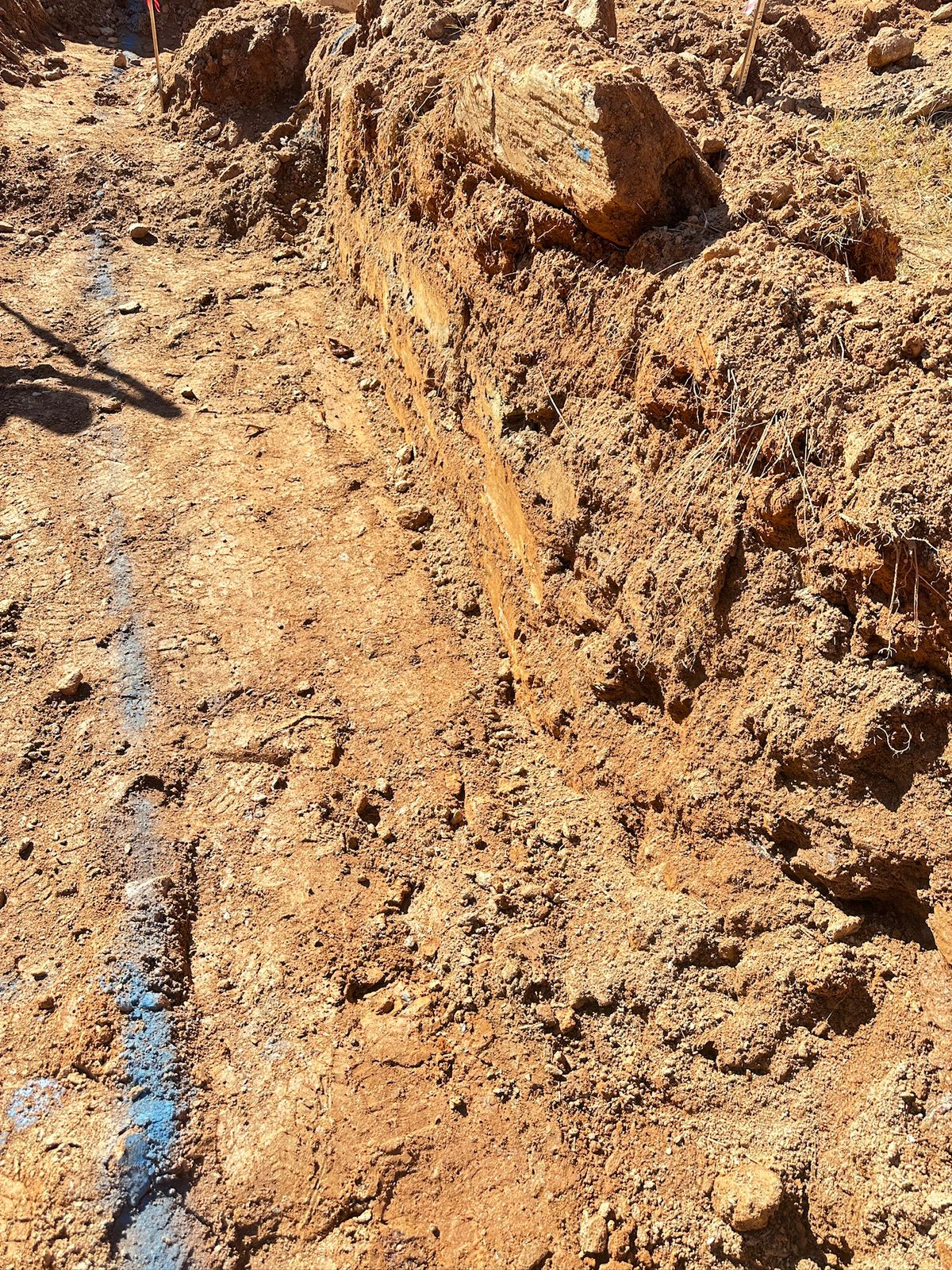
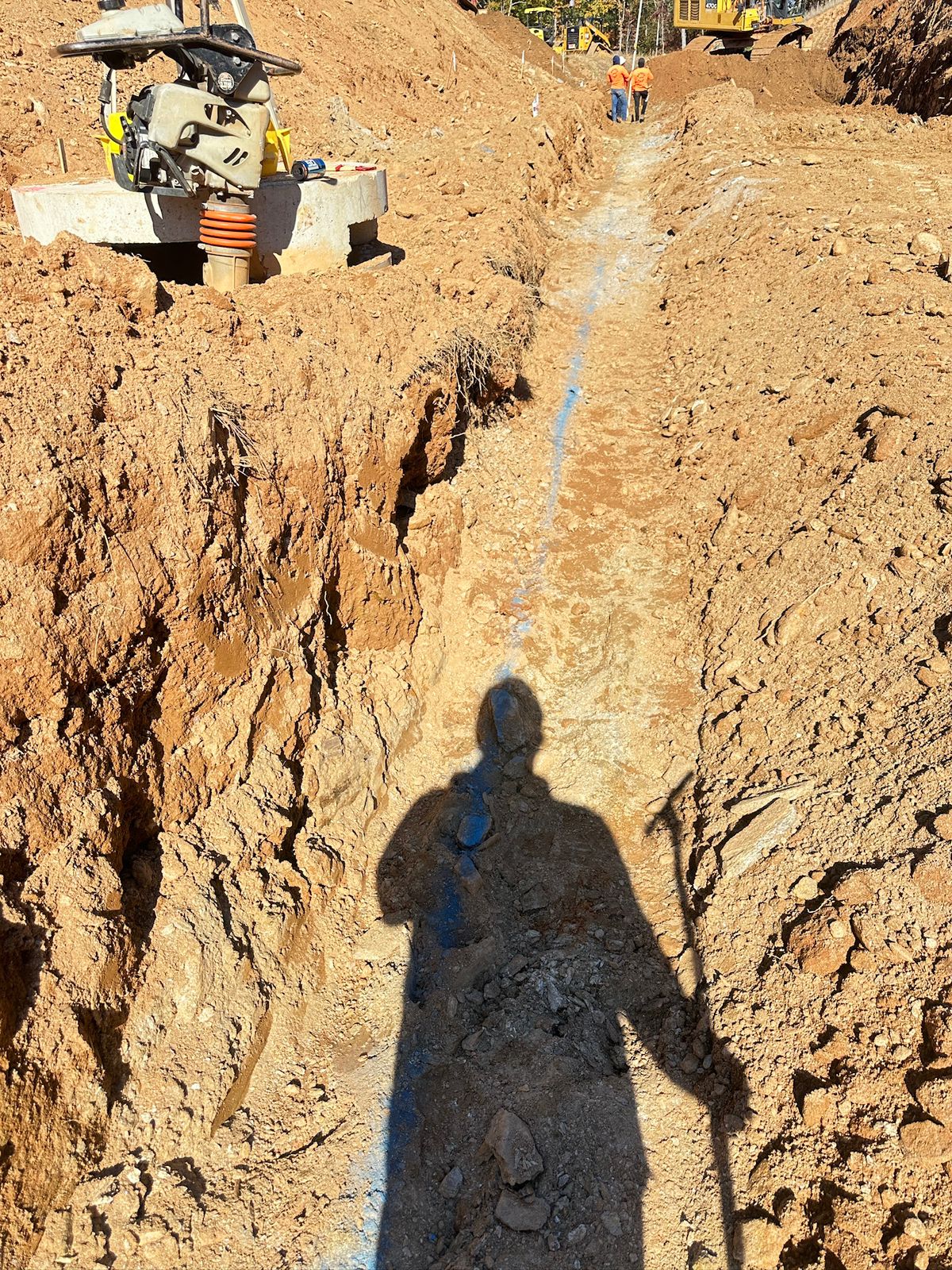
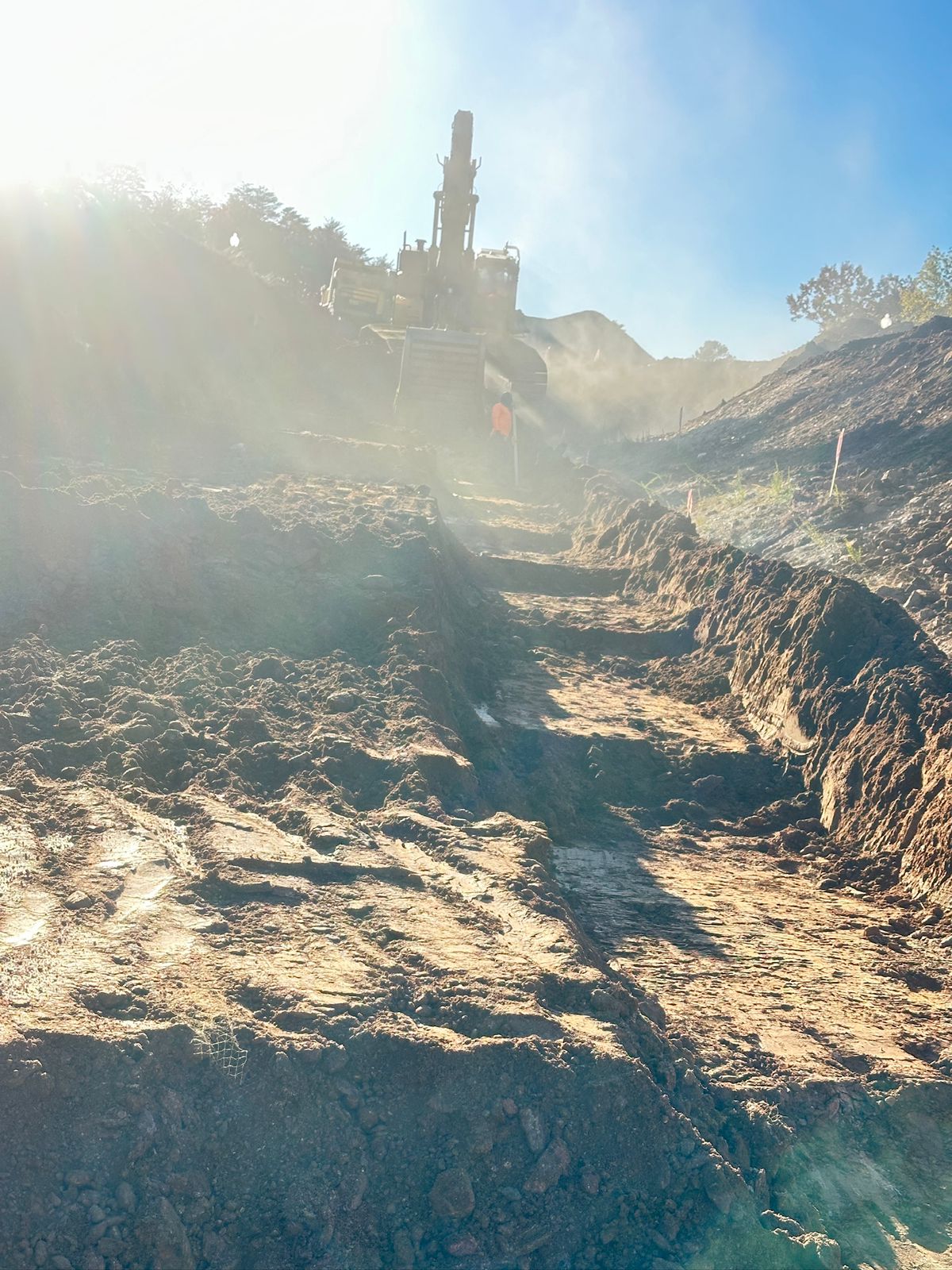
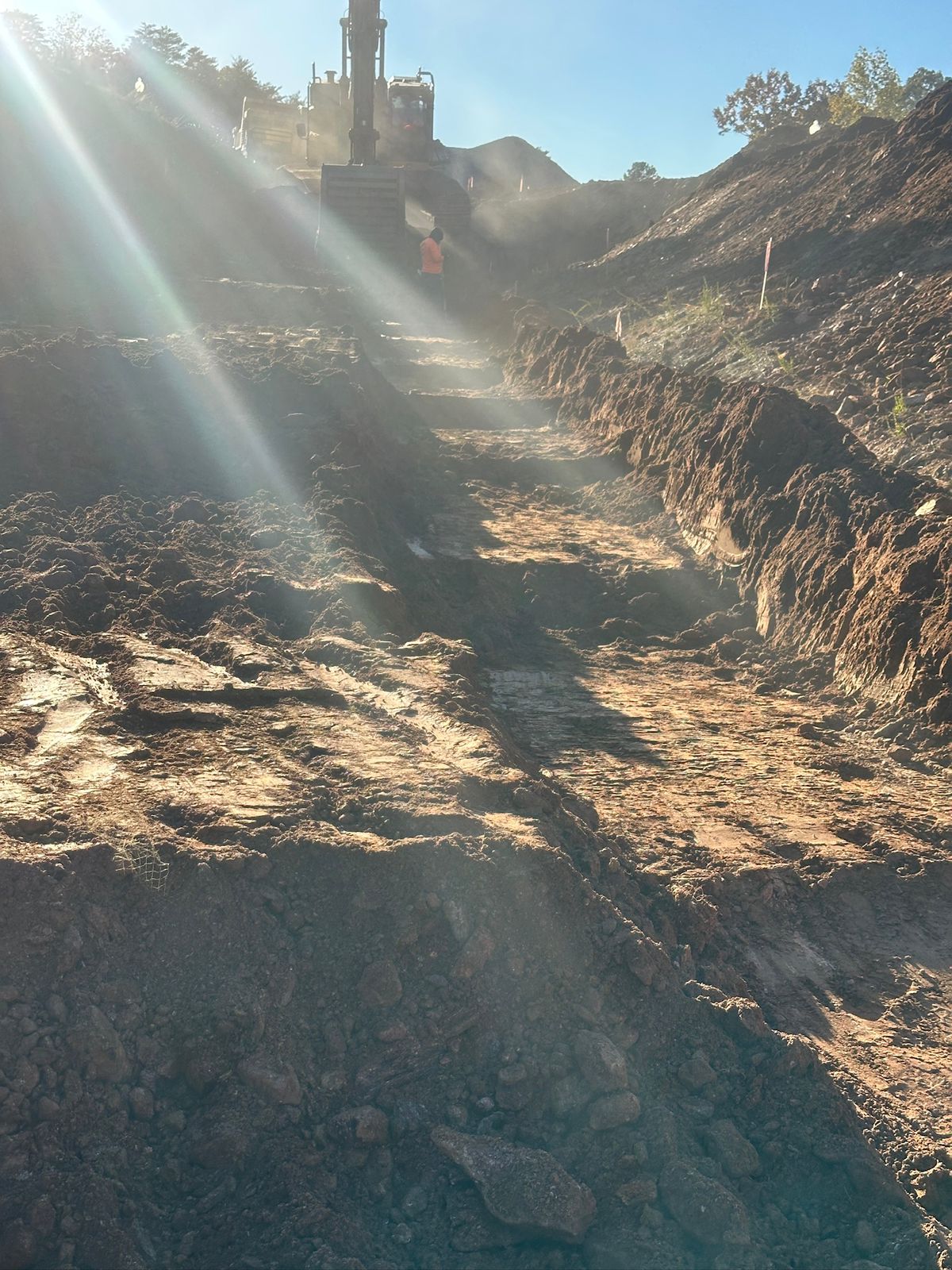
Our representative performed soil bearing capacity evaluations along the alignment between Station 293+00 and Station 180+00. Both automatic and manual test methods were utilized to determine that the soil conditions were suitable for the planned wall construction.
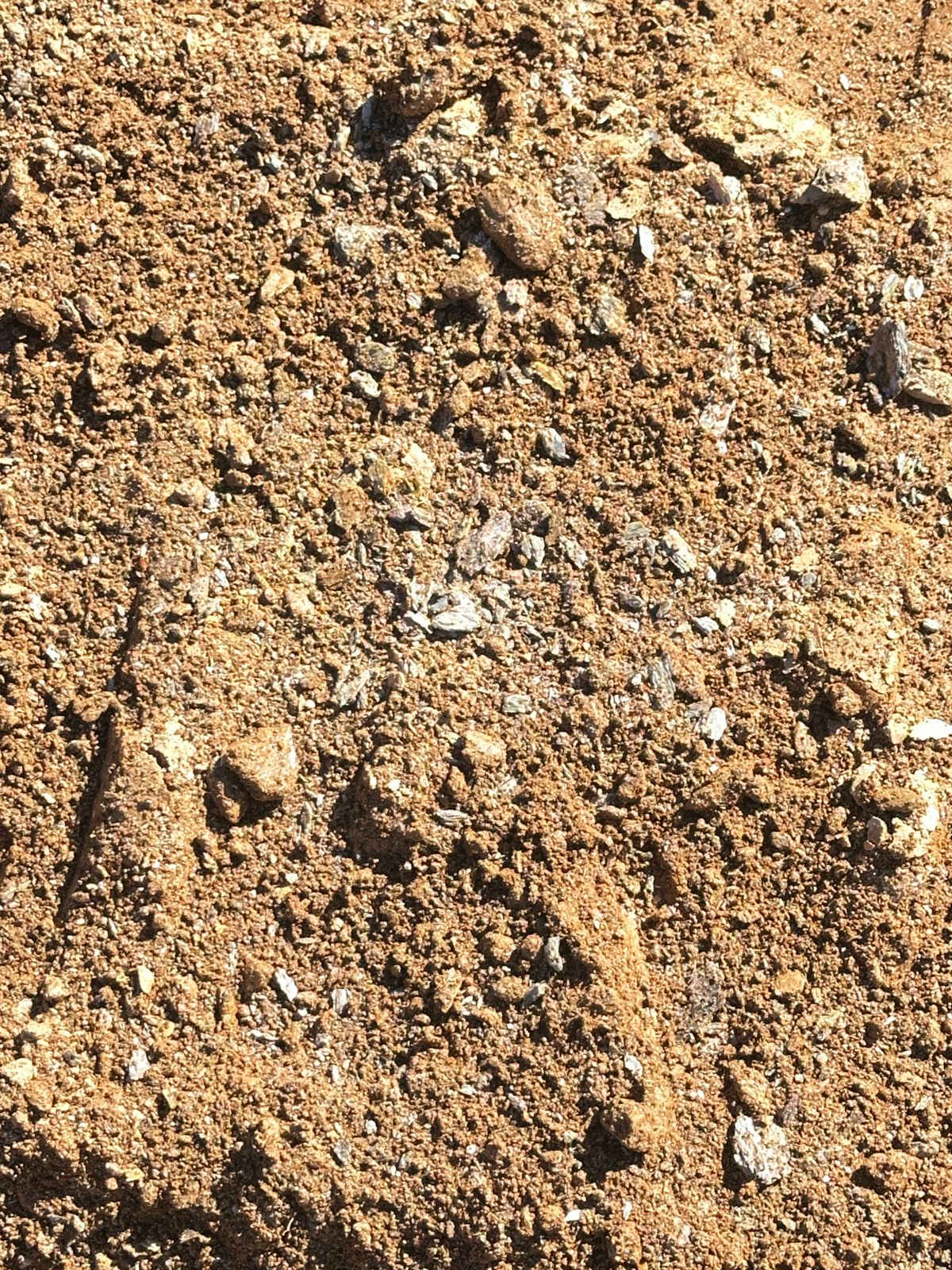
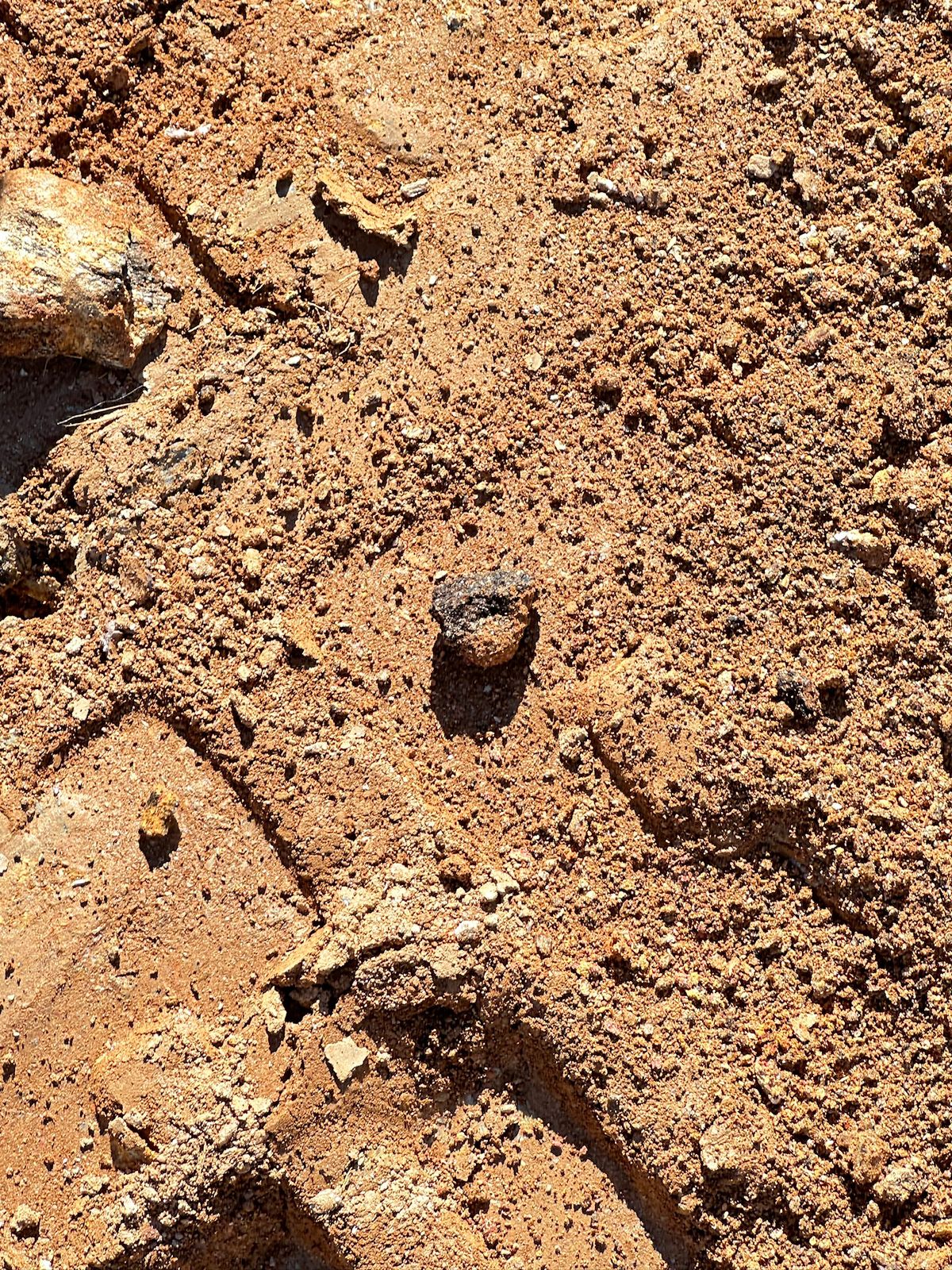
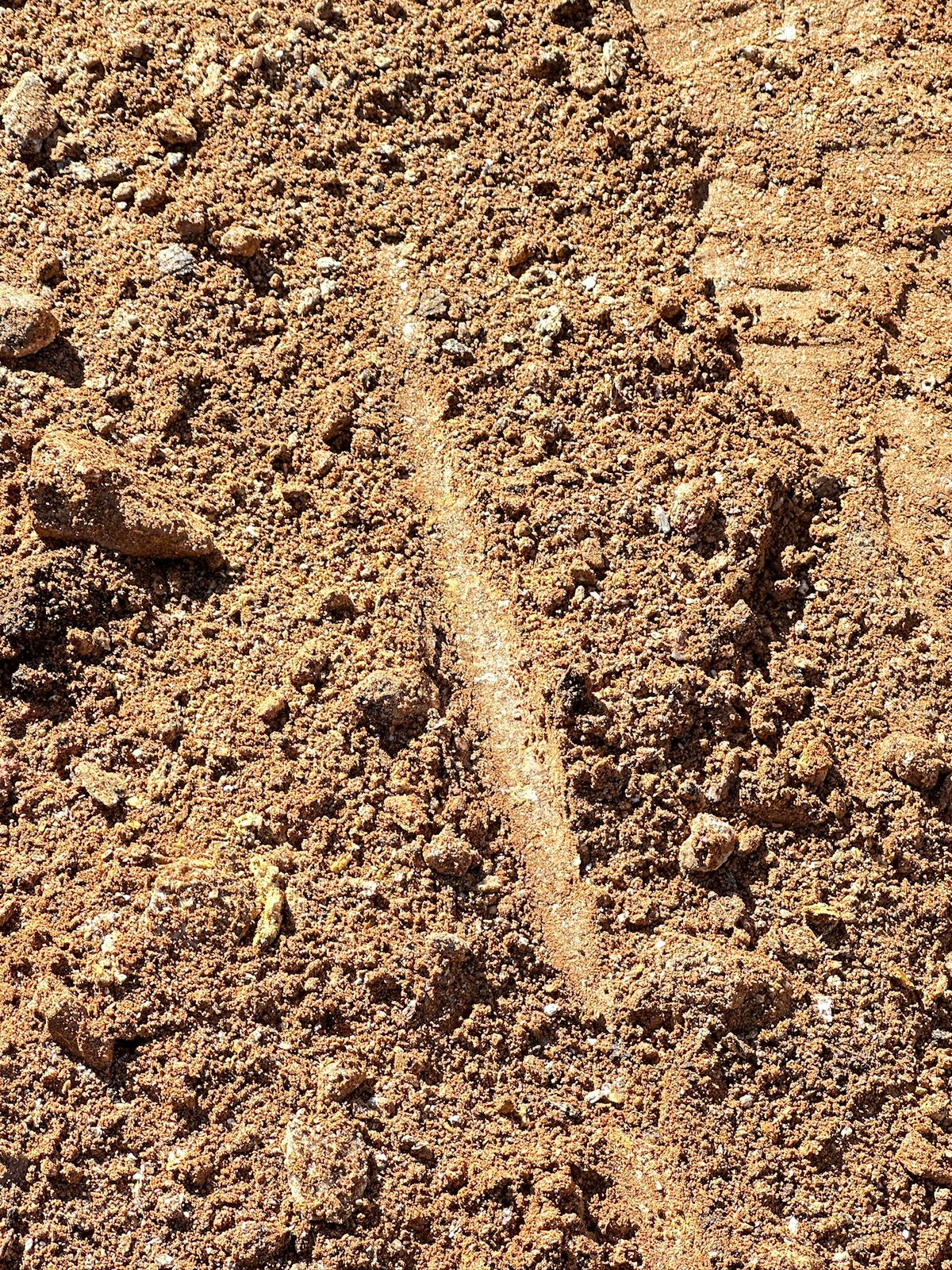
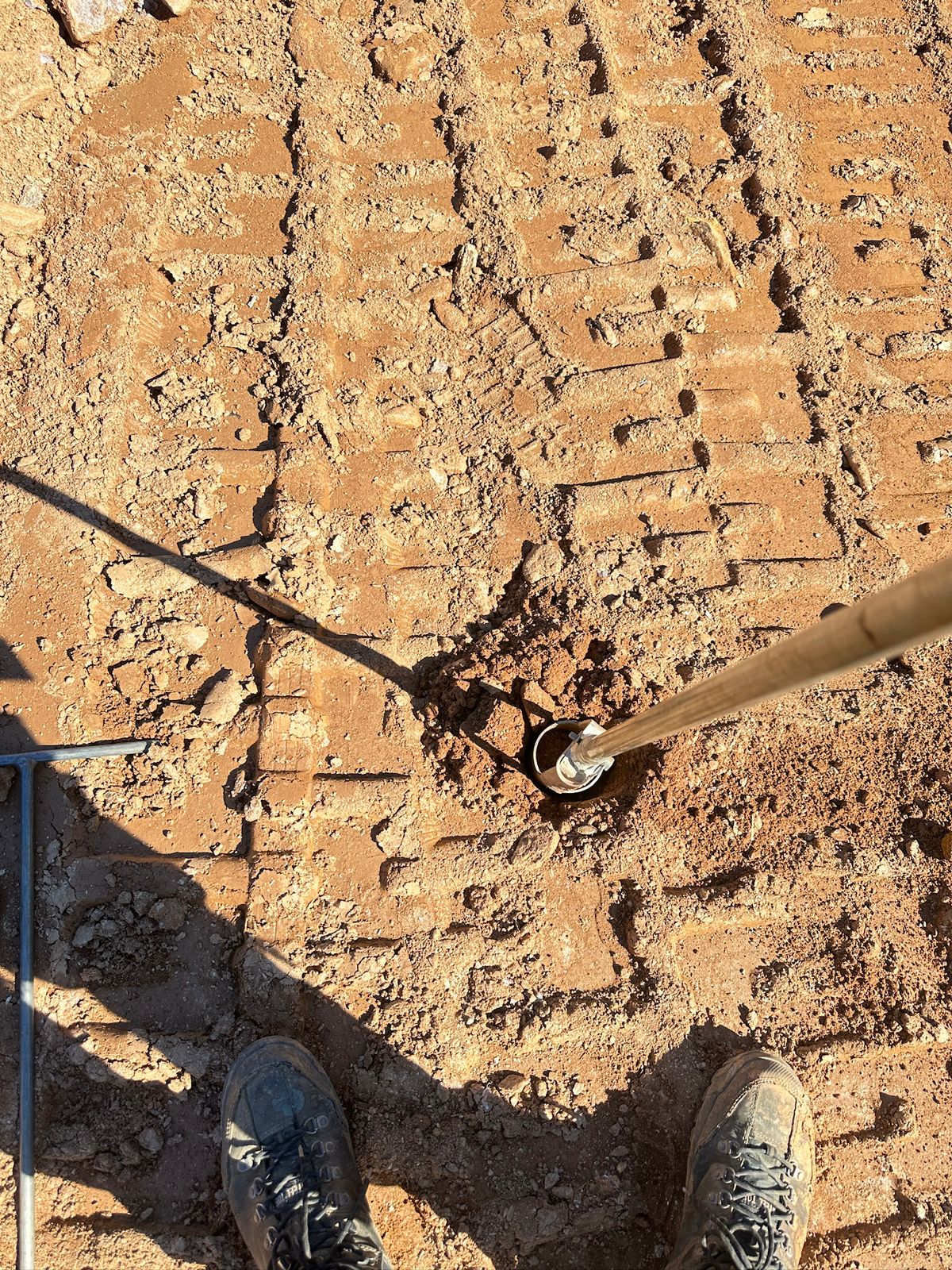
We began with the automatic dynamic cone penetrometer at Station 293+00. The test indicated soil strength values exceeding 11,000 psi at depths of approximately 2–3 feet. A second automatic test was performed approximately 50 feet away, and the readings closely matched the initial results, confirming uniform soil strength in that area.
We also performed manual dynamic cone penetration tests at 50-foot intervals. The manual tests showed high resistance starting at the first foot, recording 25+ blows, and refusal at the second foot. A total of eight manual tests were performed between Stations 293+00 and 180+00, all showing similar results with 15–20+ blows in the first foot and early refusal. These consistent readings across all locations indicated soils suitable for supporting the planned structure.
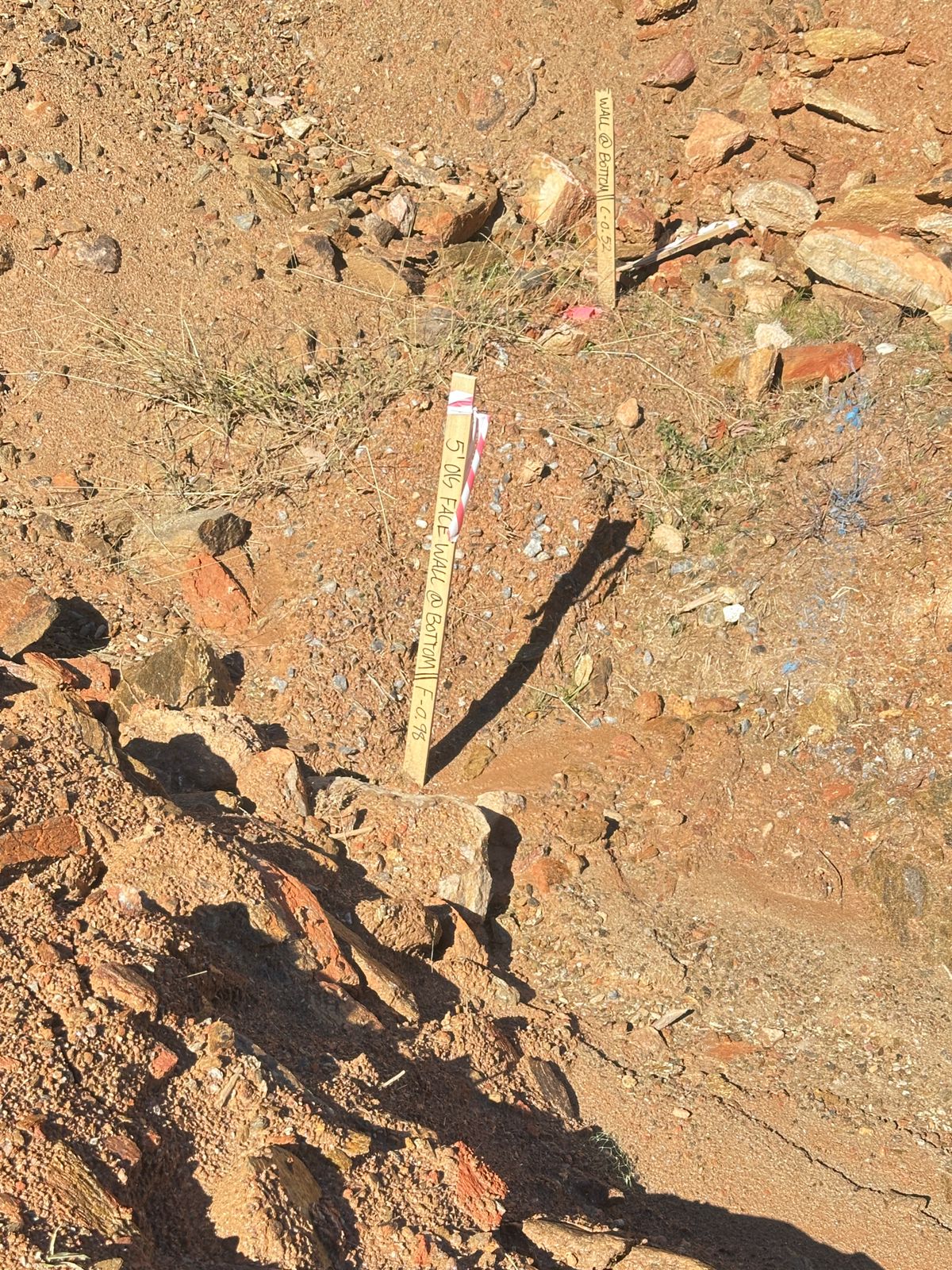
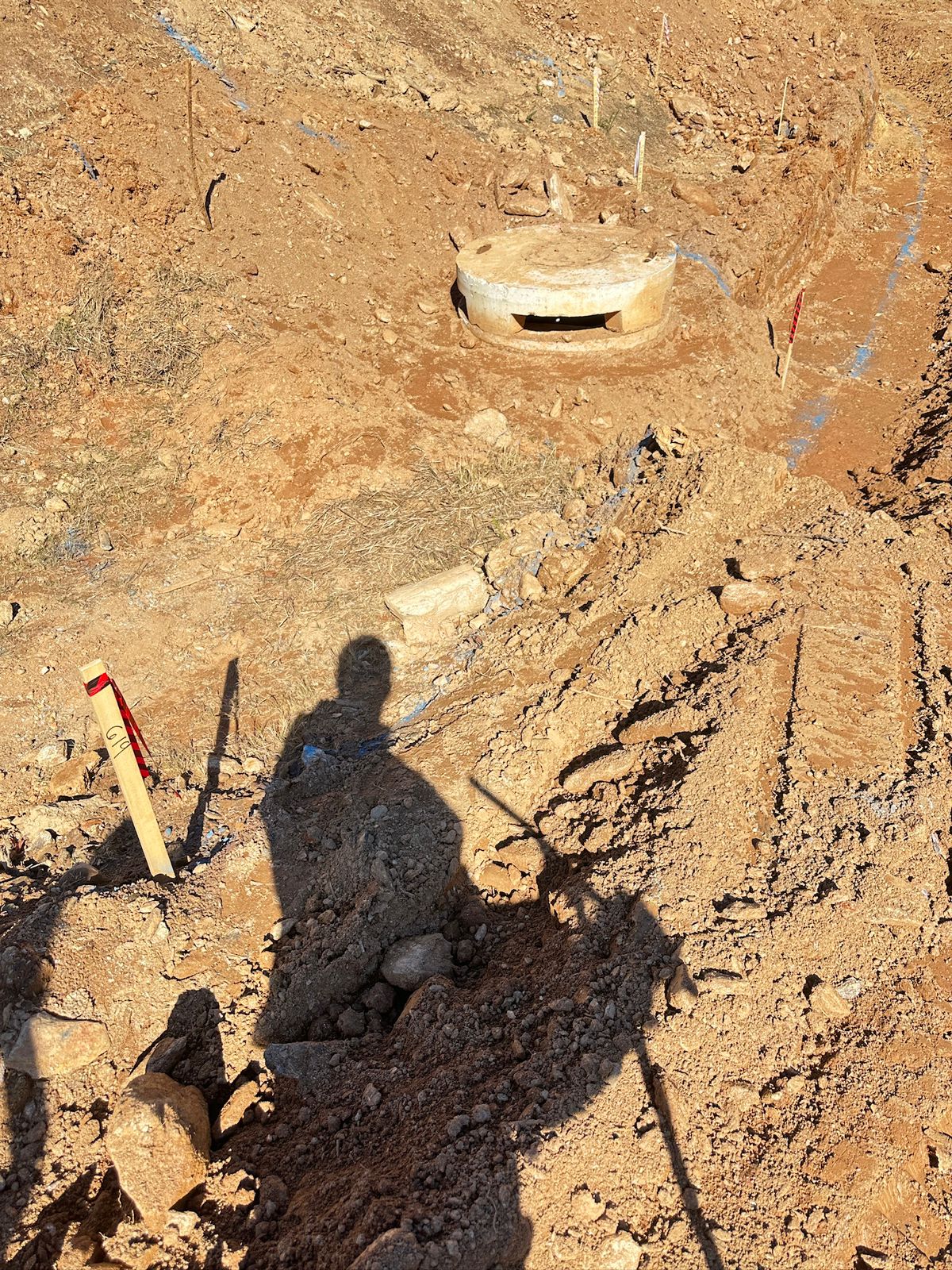
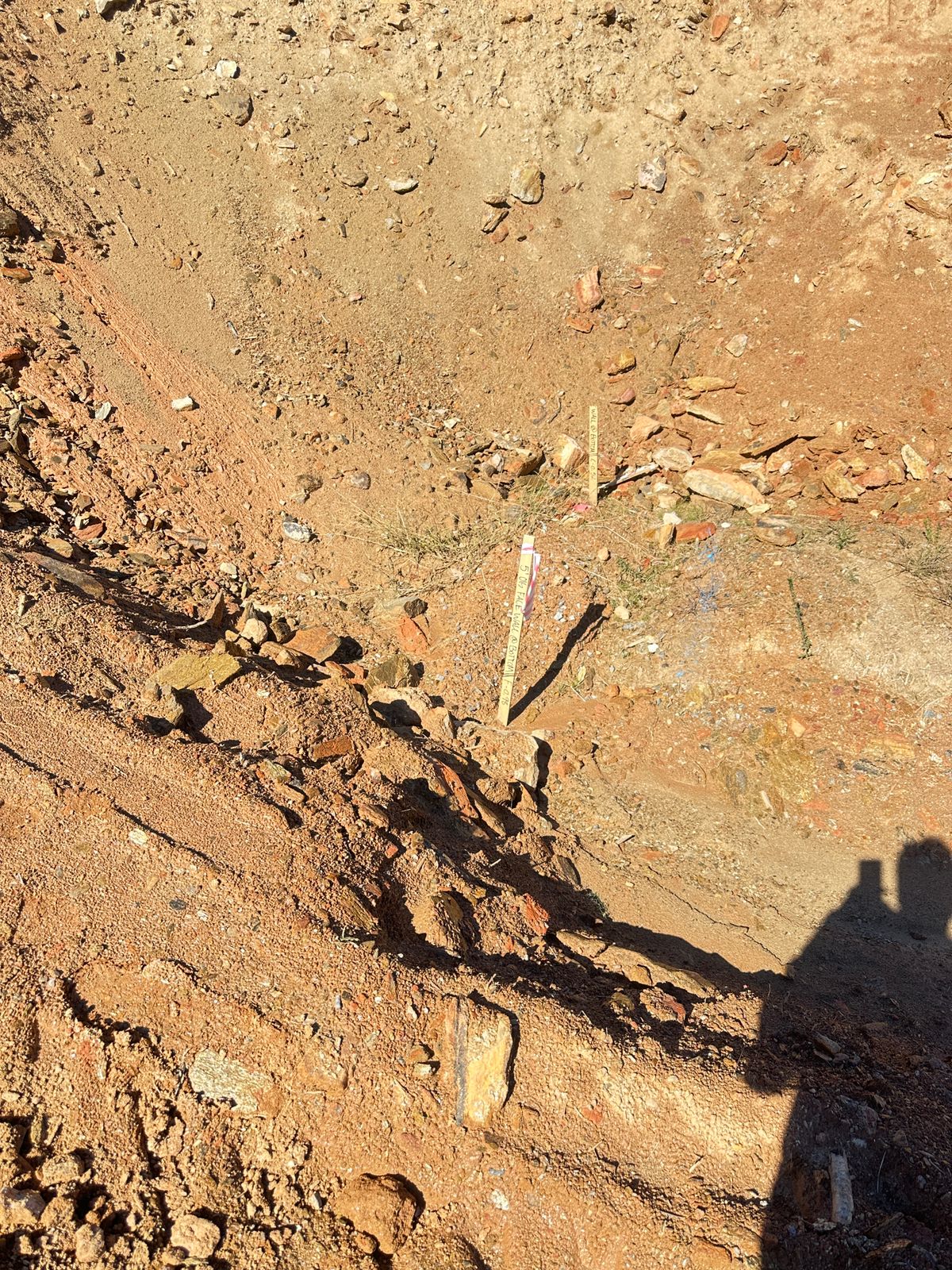
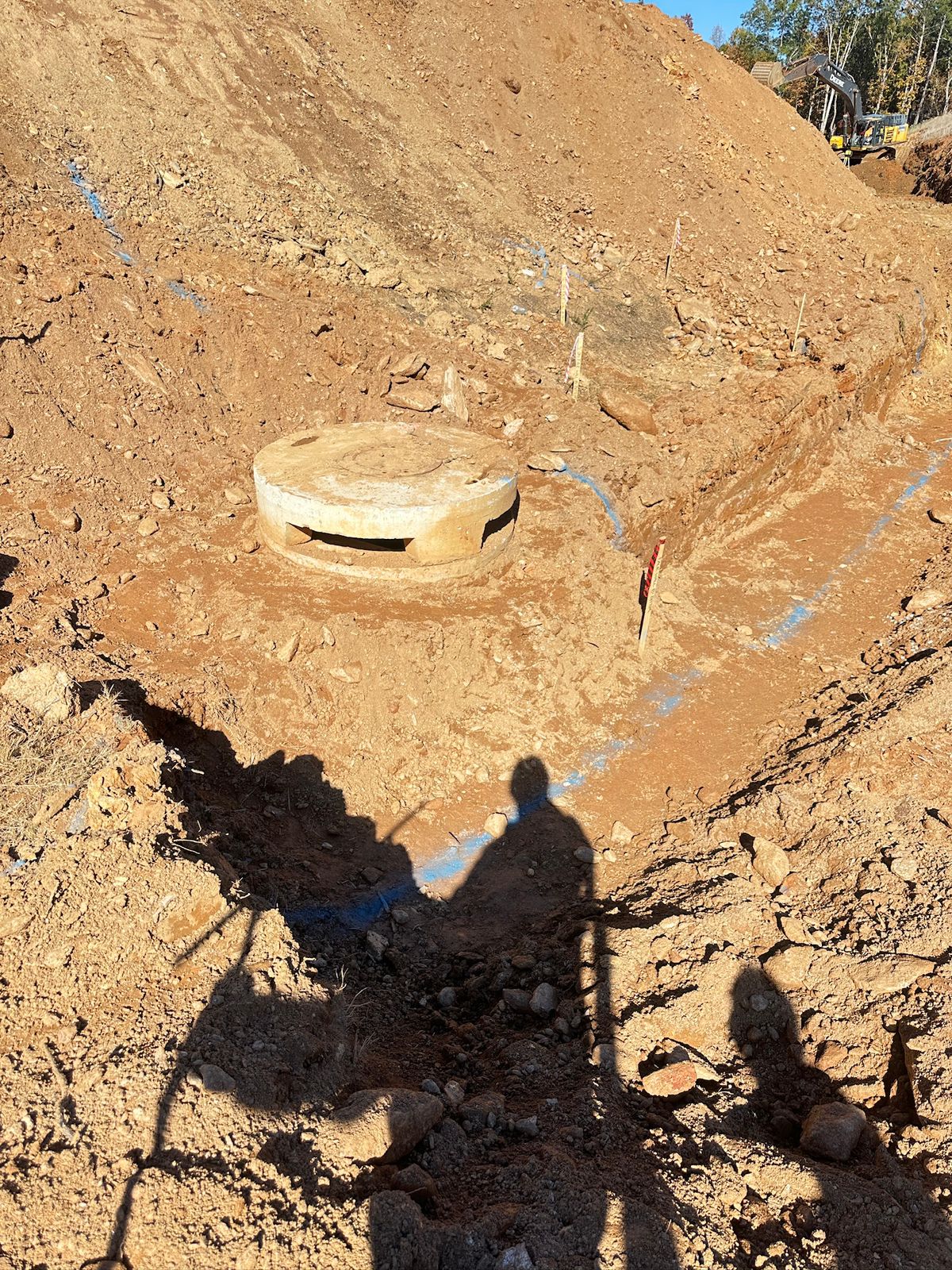
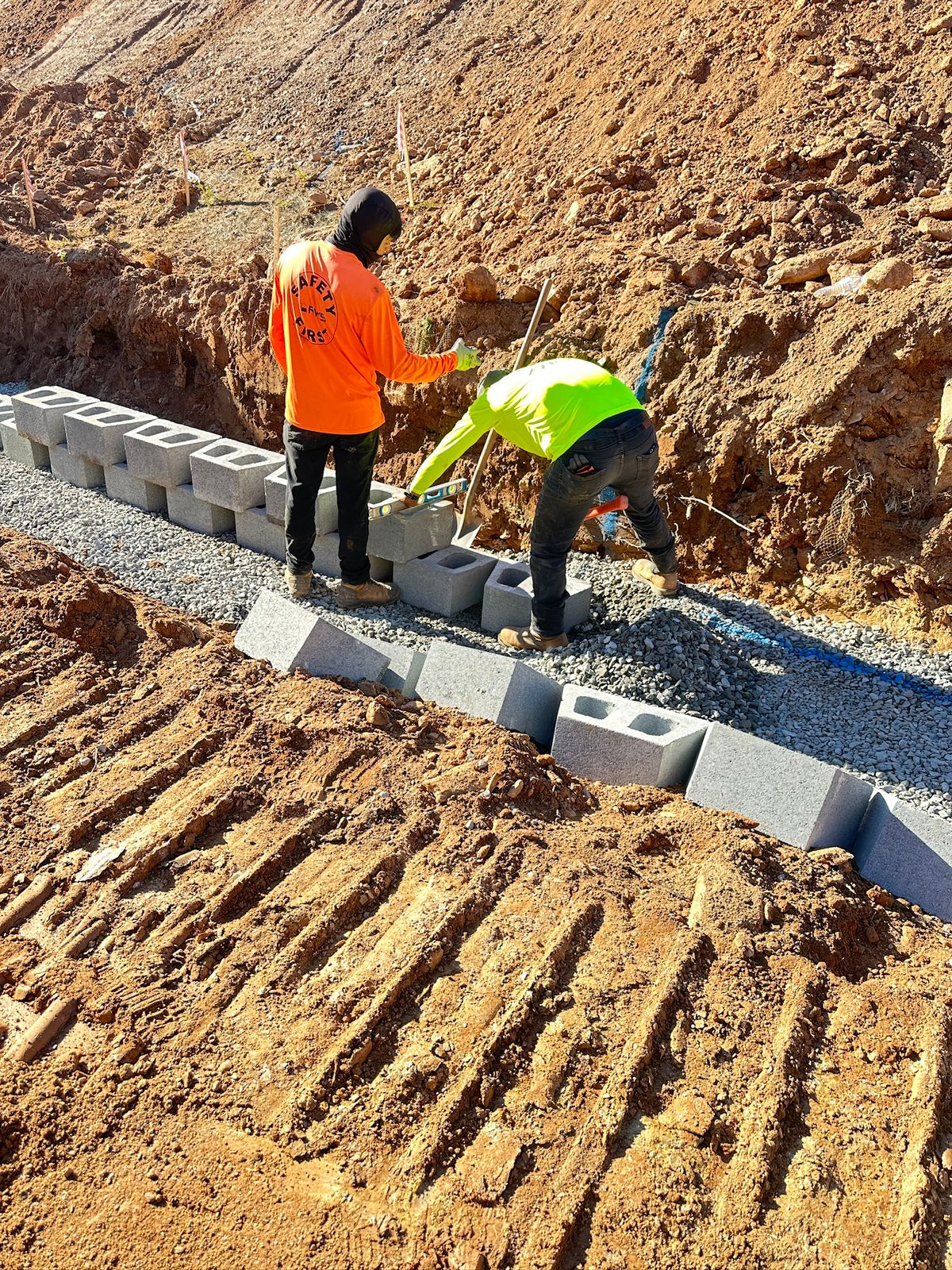
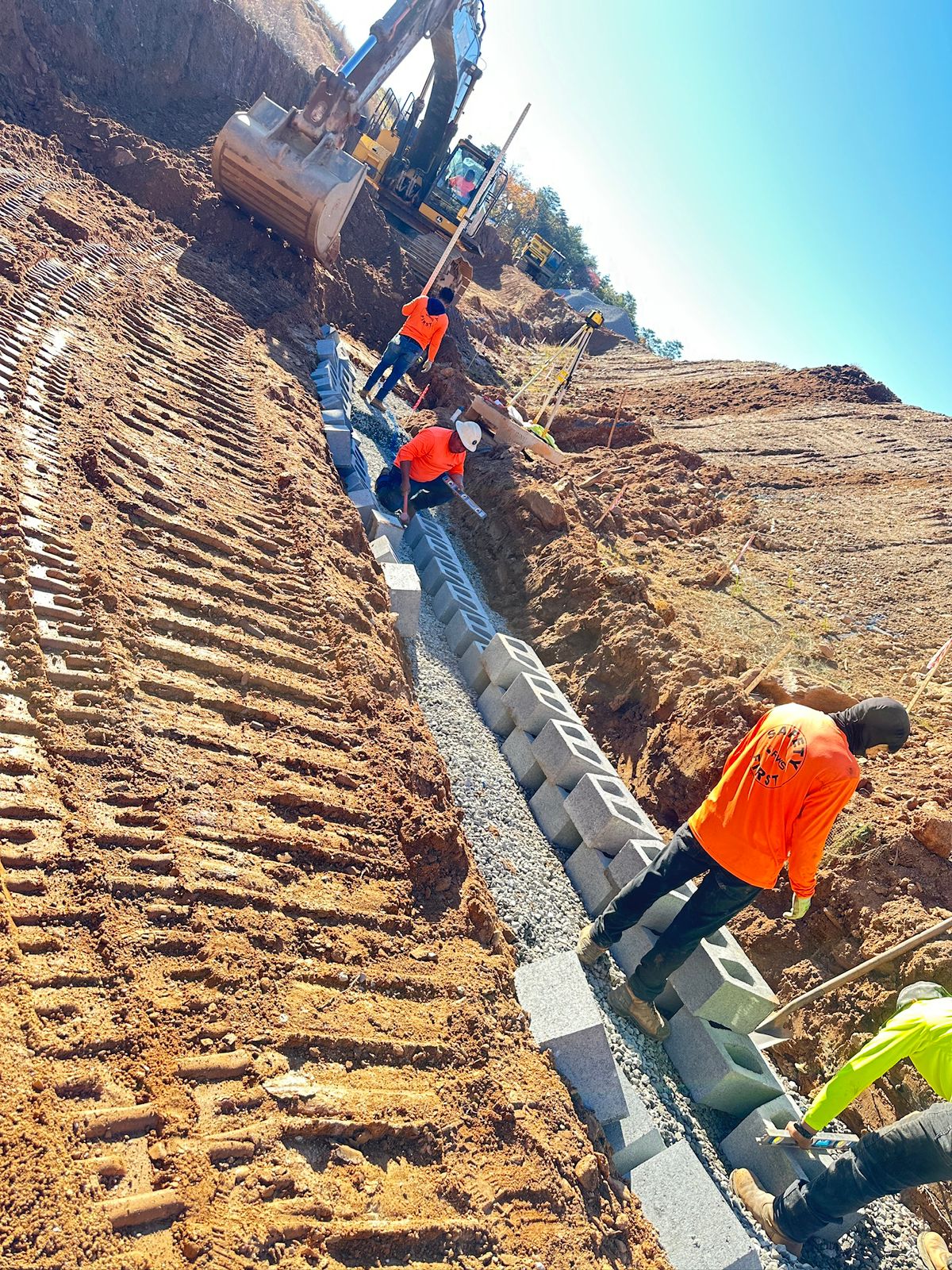
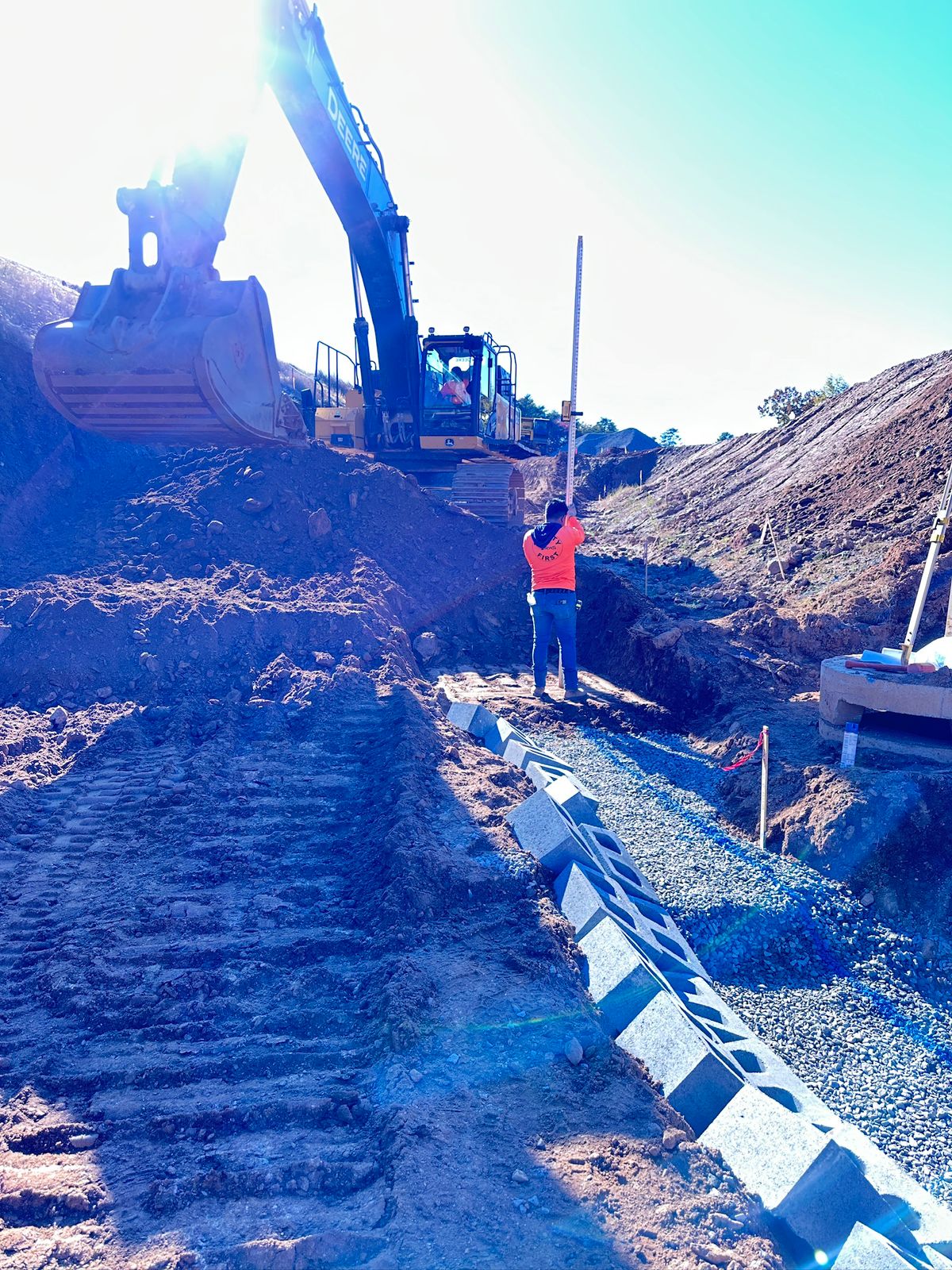
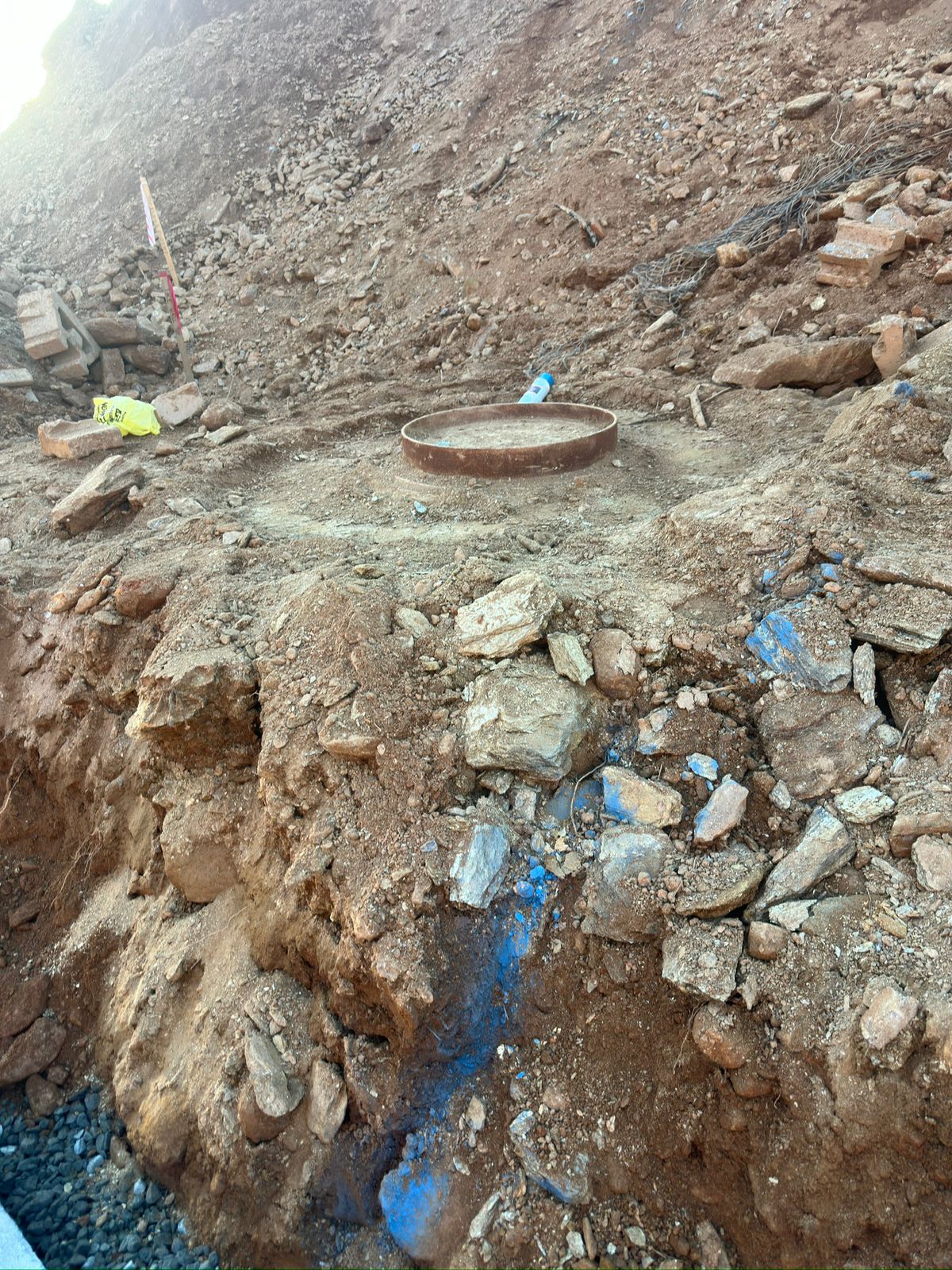
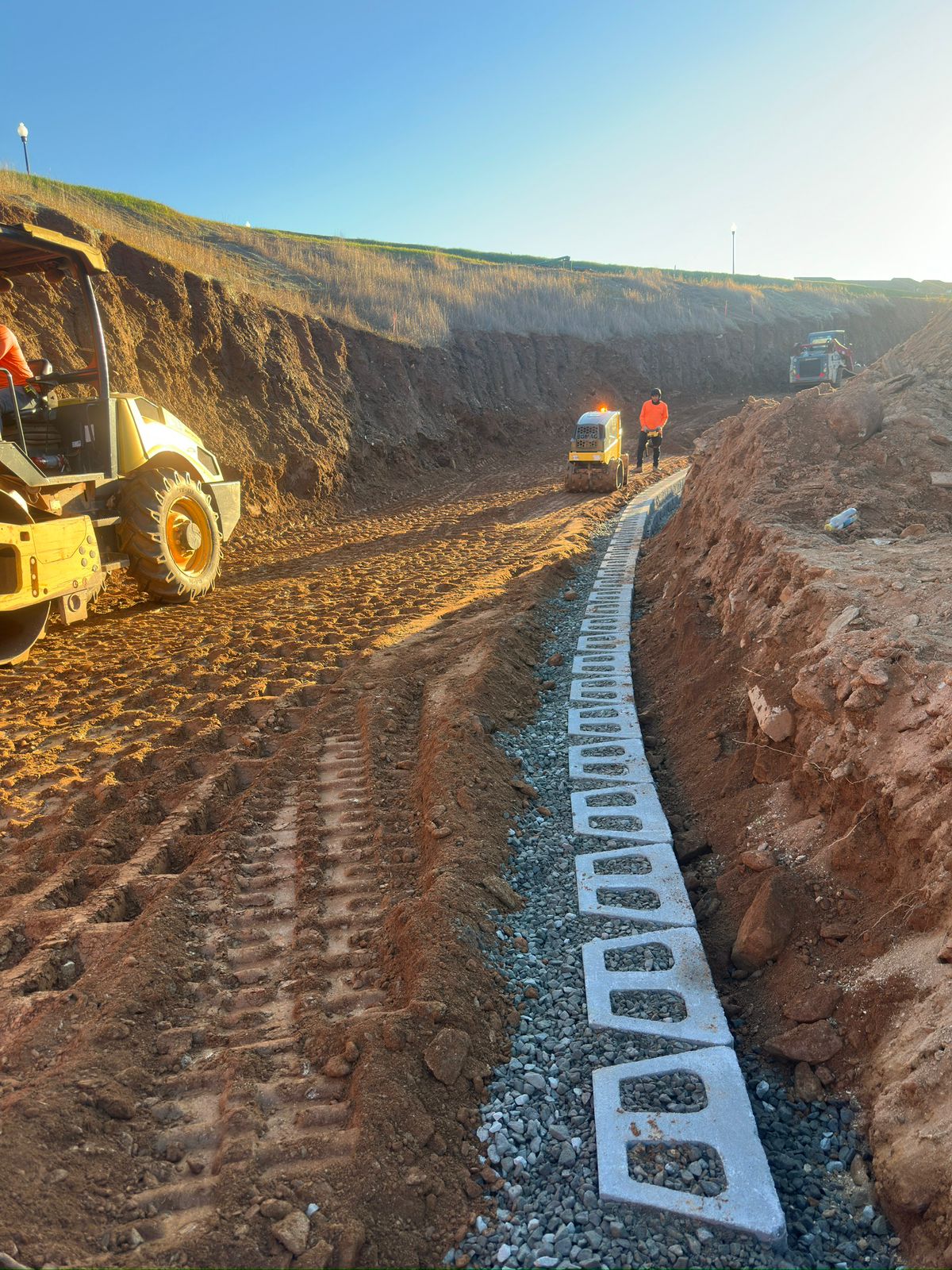
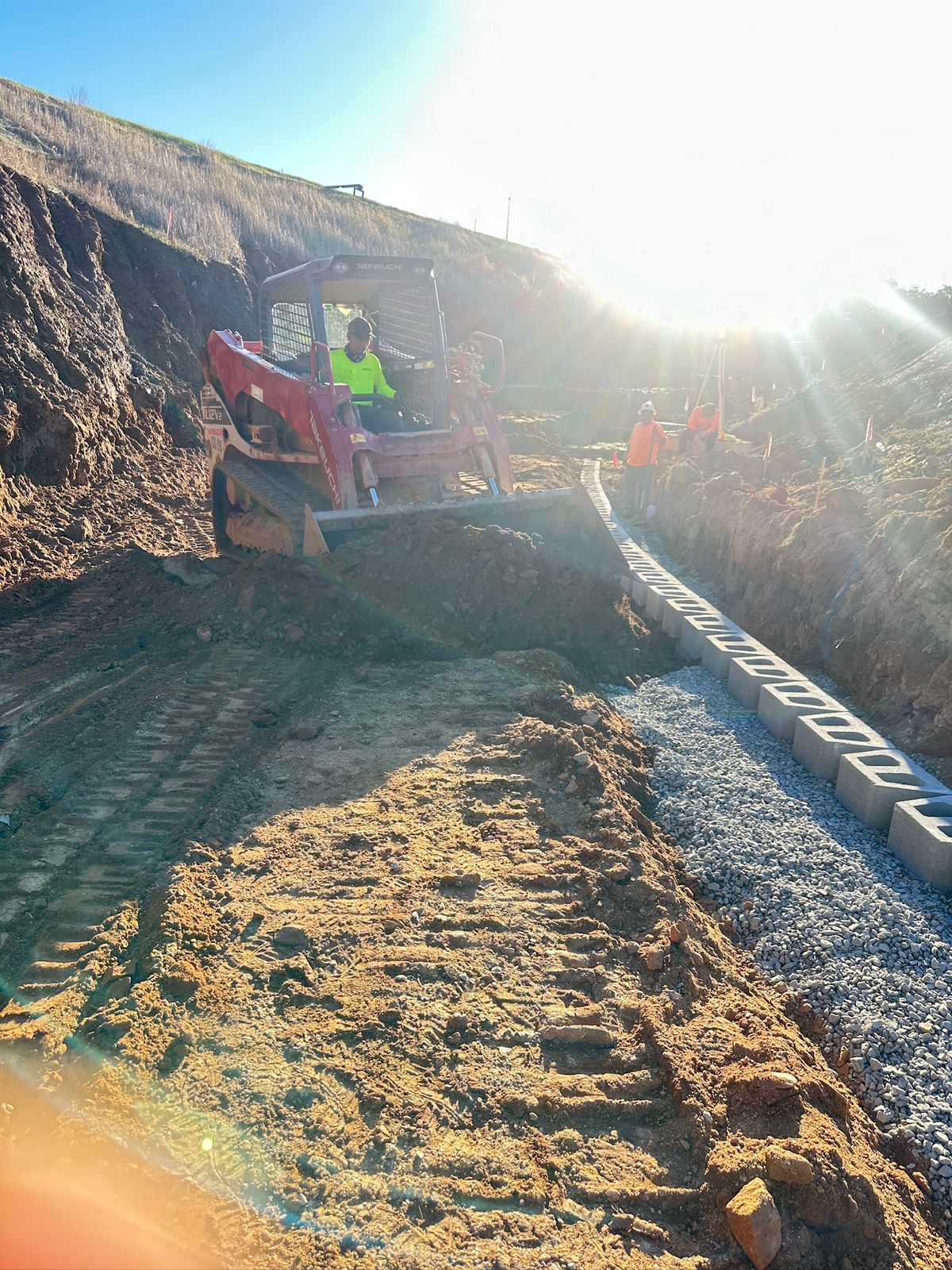
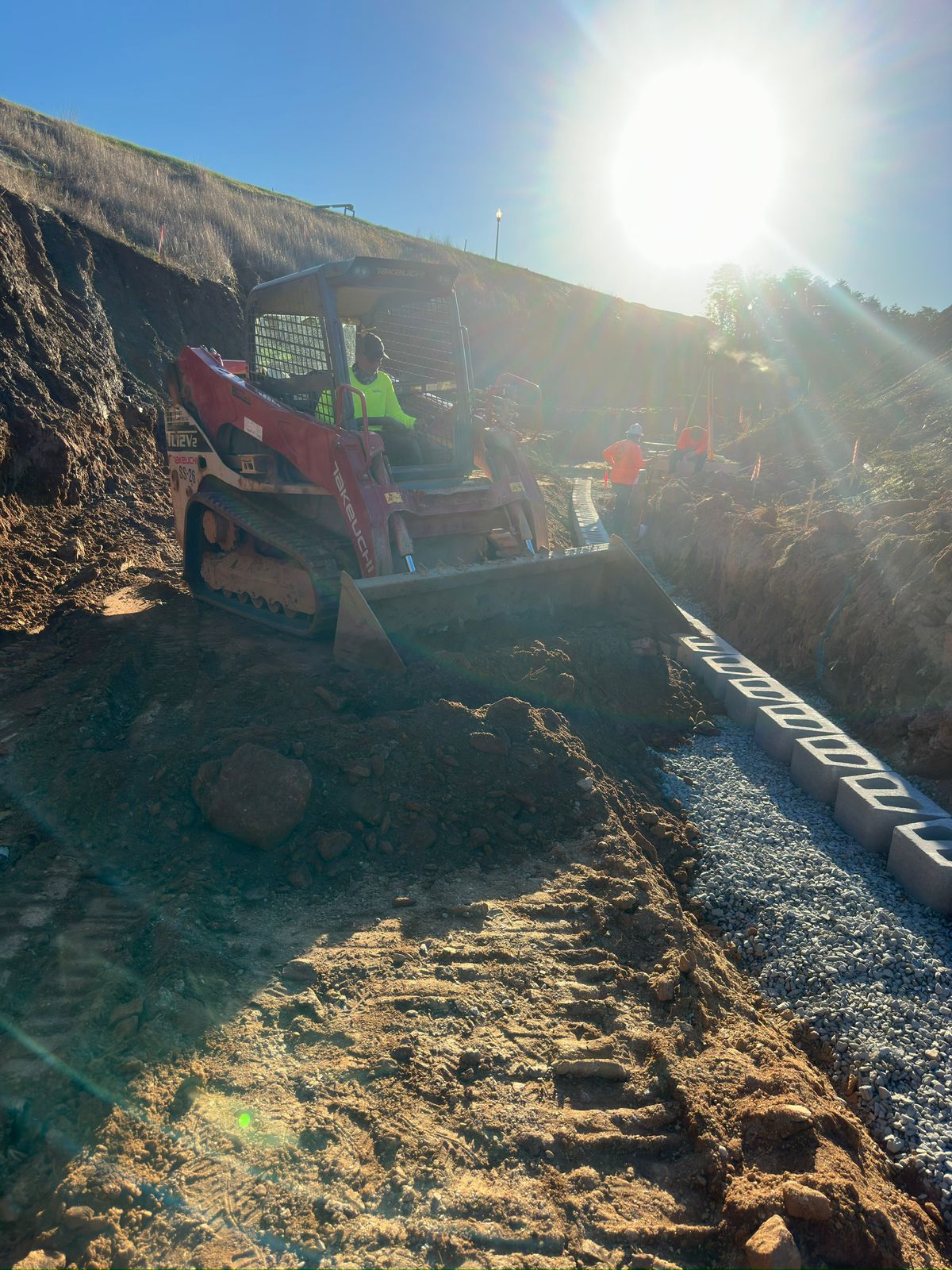
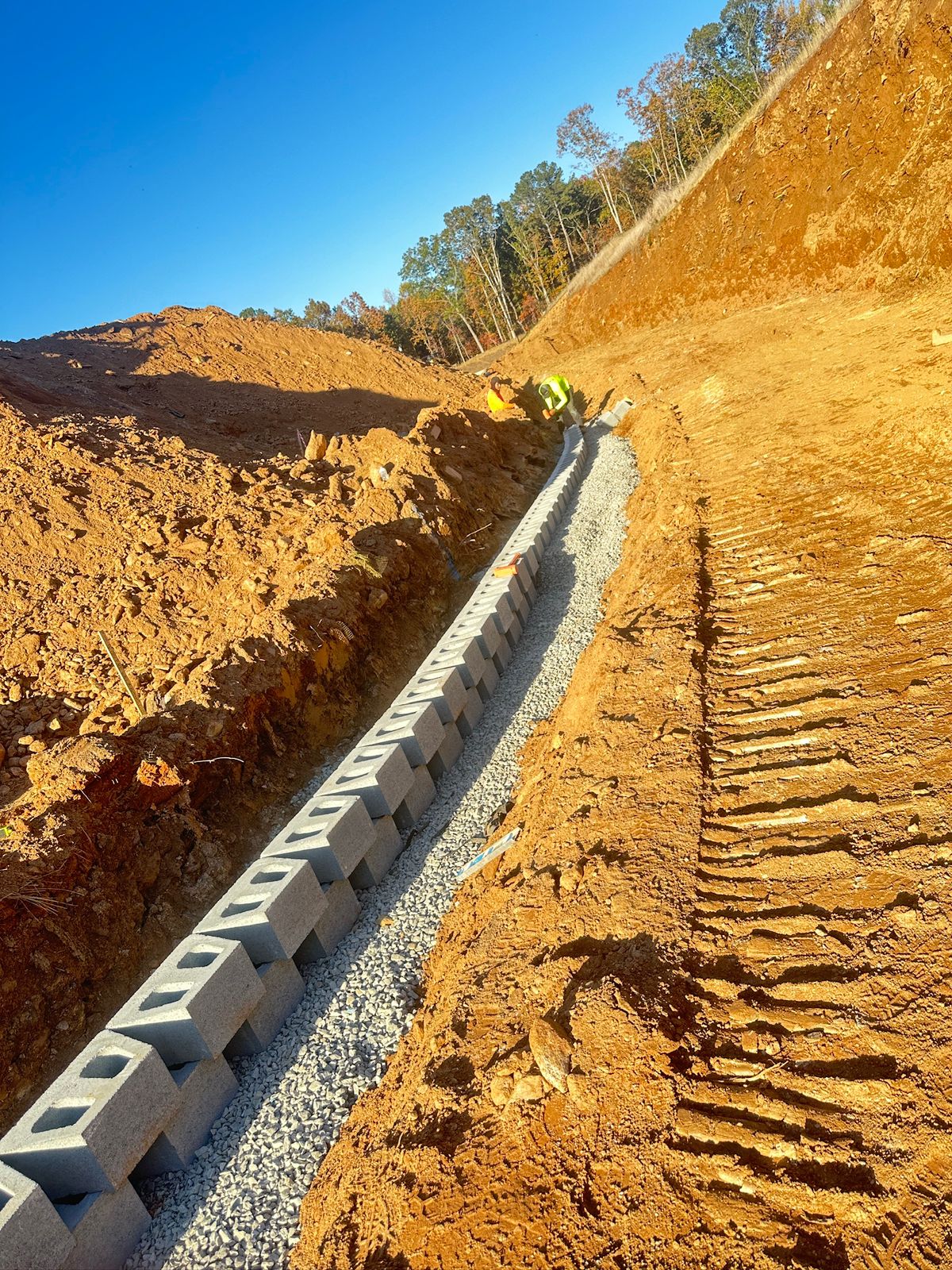
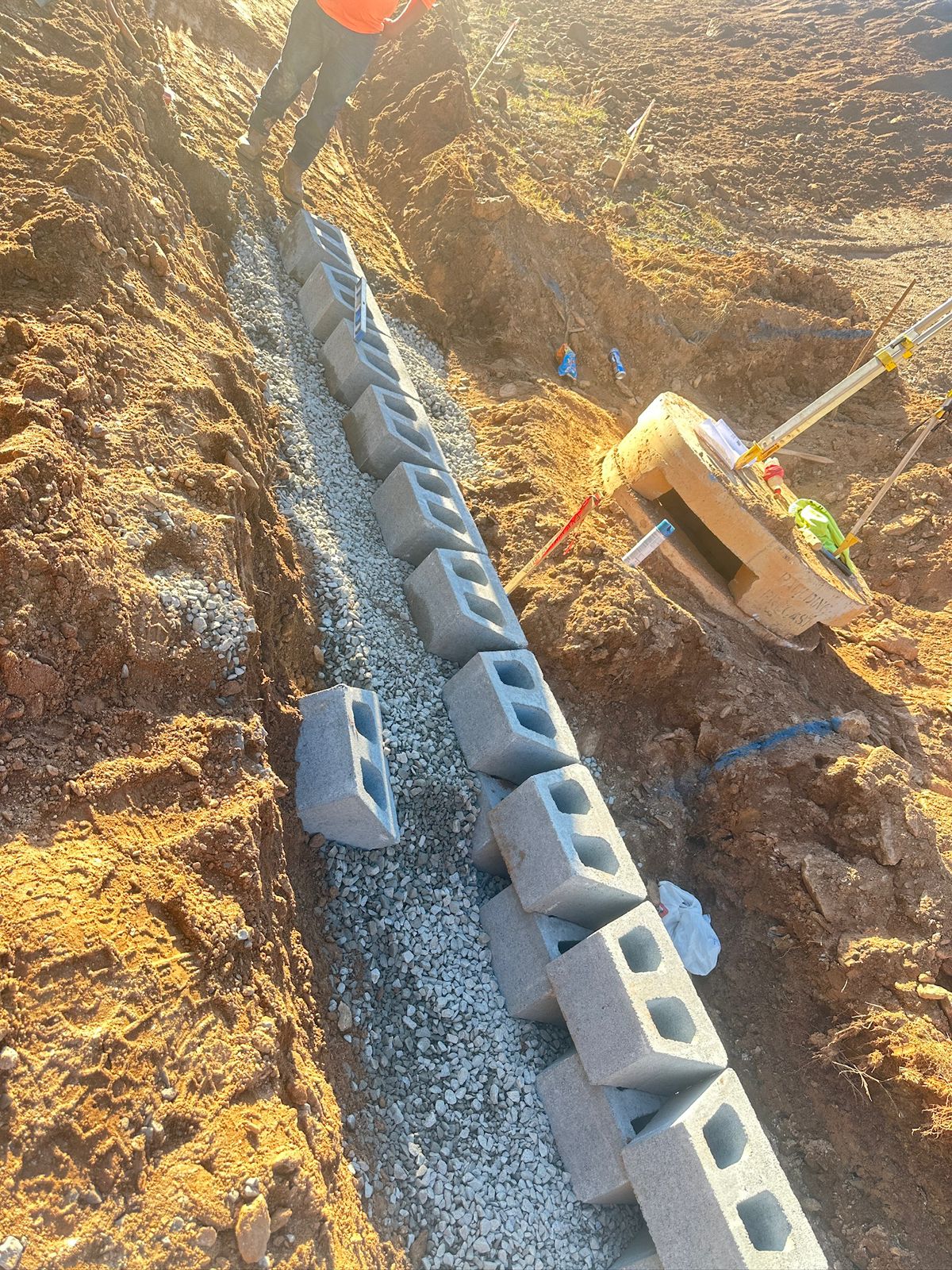
Following DCP testing, the crew proceeded with retaining-wall construction. Concrete bricks—each measuring 8 inches in height—were placed in two rows, providing a total initial wall height of 16 inches. Work began at Station 293+00 near the manhole and continued toward Station 180+00 where the next manhole is located.
After placing the first 16-inch lift behind the wall section, the crew began backfilling and compacting the soil up to the top of the two brick courses. Once compaction was completed, field density testing was performed. All compaction results passed, achieving approximately 95% compaction, meeting project requirements.
We appreciate the opportunity to be of service to you on this project. If you have any questions regarding this report, please feel free to contact us. We will be more than happy to discuss it with you.