- Home
- Daily Field Report Report ID: 86609
- Edit Download Report
Daily Field Report
Observations/Finding
urpose of Visit
As requested, an AS Engineering and Consulting (ASEC) representative visited the site to provide quality control inspection and testing services related to fill and backfill placement. Visual observation techniques were employed to verify compliance with project drawings, specifications, applicable codes, and approved materials submittals.
Field Observations
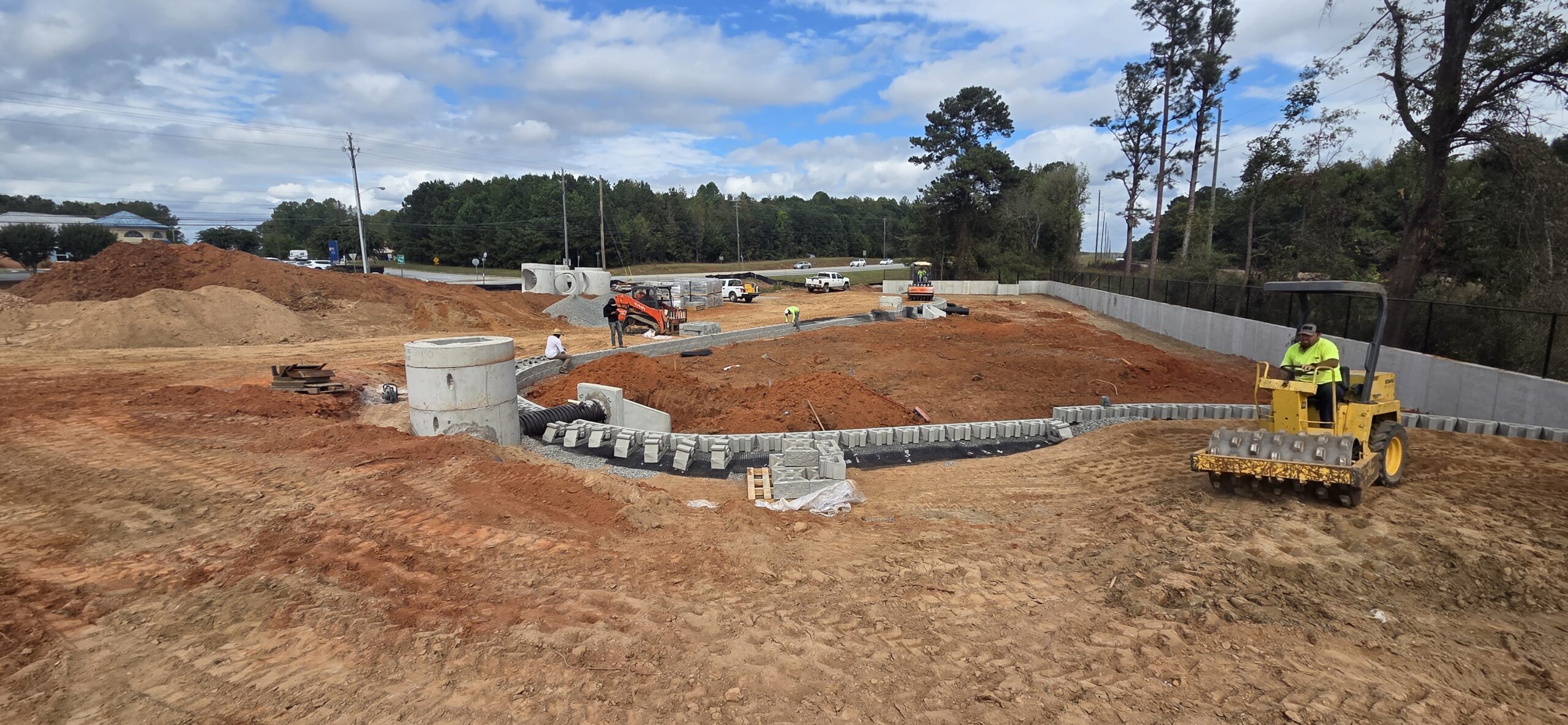
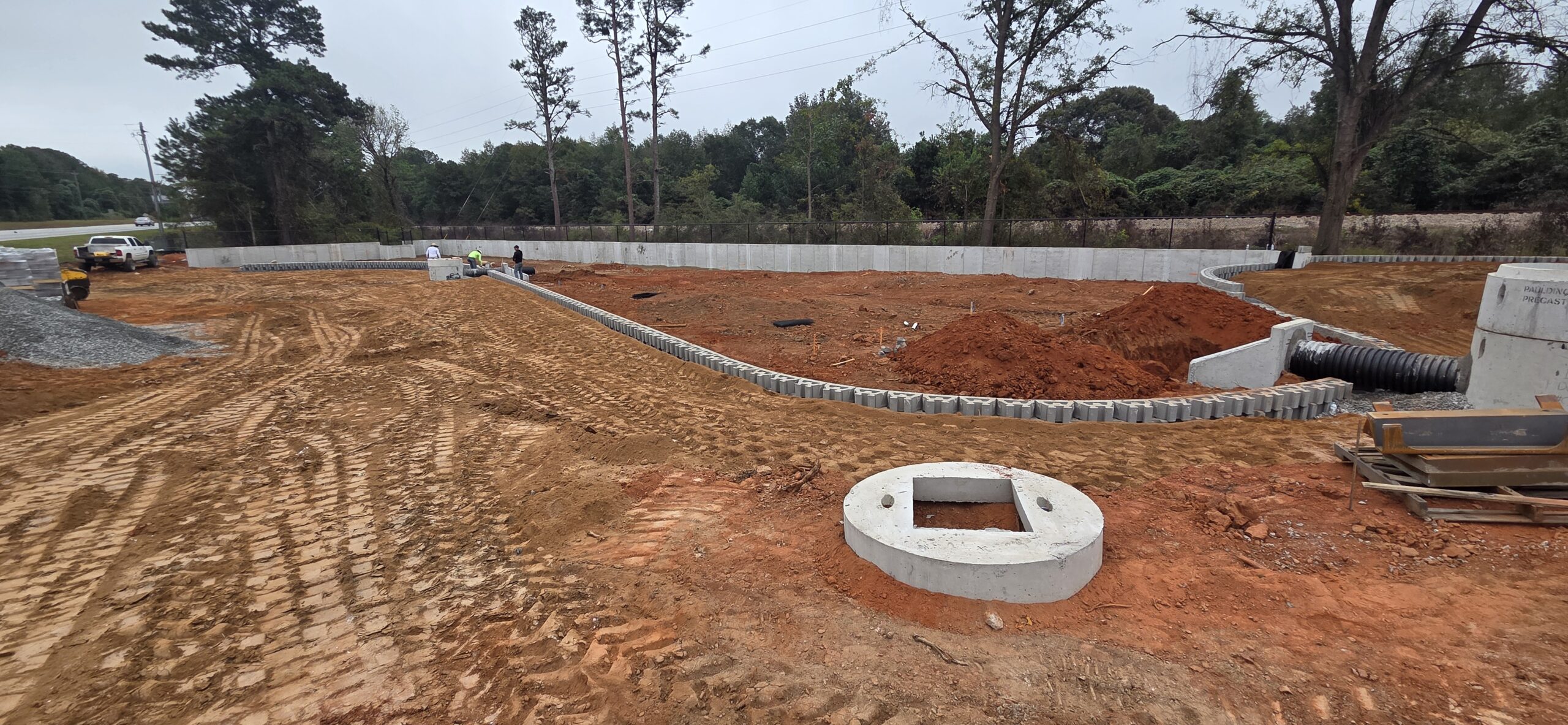
Density testing was performed along the retaining wall alignment. Test results indicated low compaction values, despite the soil being within its optimum moisture range. This suggests that the lifts were not being adequately compacted before additional layers were placed.
ASEC recommended that the contractor maintain lift thicknesses between 8 and 12 inches and ensure each lift is properly compacted before placement of subsequent layers. The contractor was informed of the failing test results and advised to reroll the deficient areas prior to retesting.
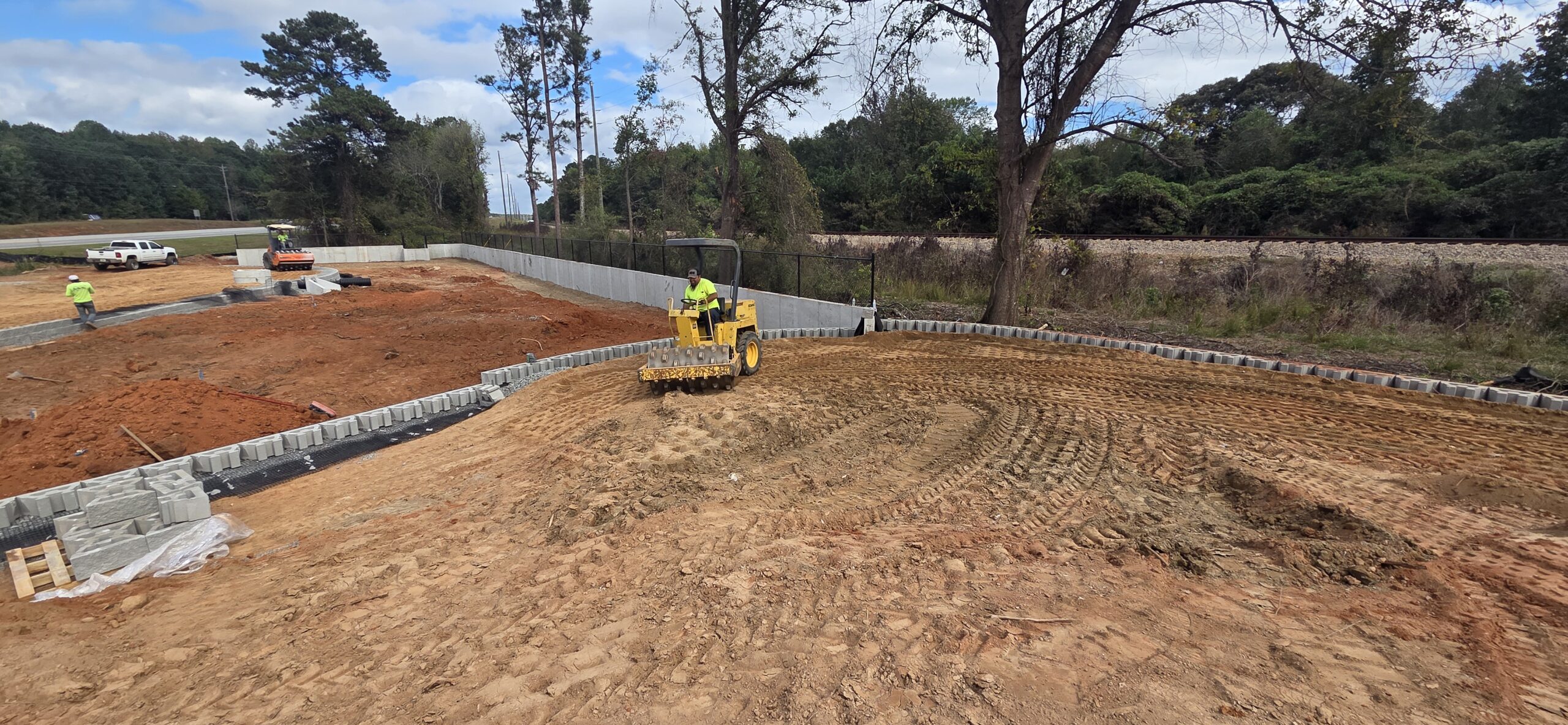
Although the contractor initially acknowledged the recommendation, they did not compact the ground immediately and instead took a break. Shortly before our representative’s planned departure to deliver proctor samples to the laboratory, the contractor resumed rolling the failed areas approximately three to four passes with a large sheep’s foot roller and requested retesting.
Despite the rerolling effort, compaction results remained below acceptable levels, indicating inadequate compaction with the available equipment.
Contractor Coordination
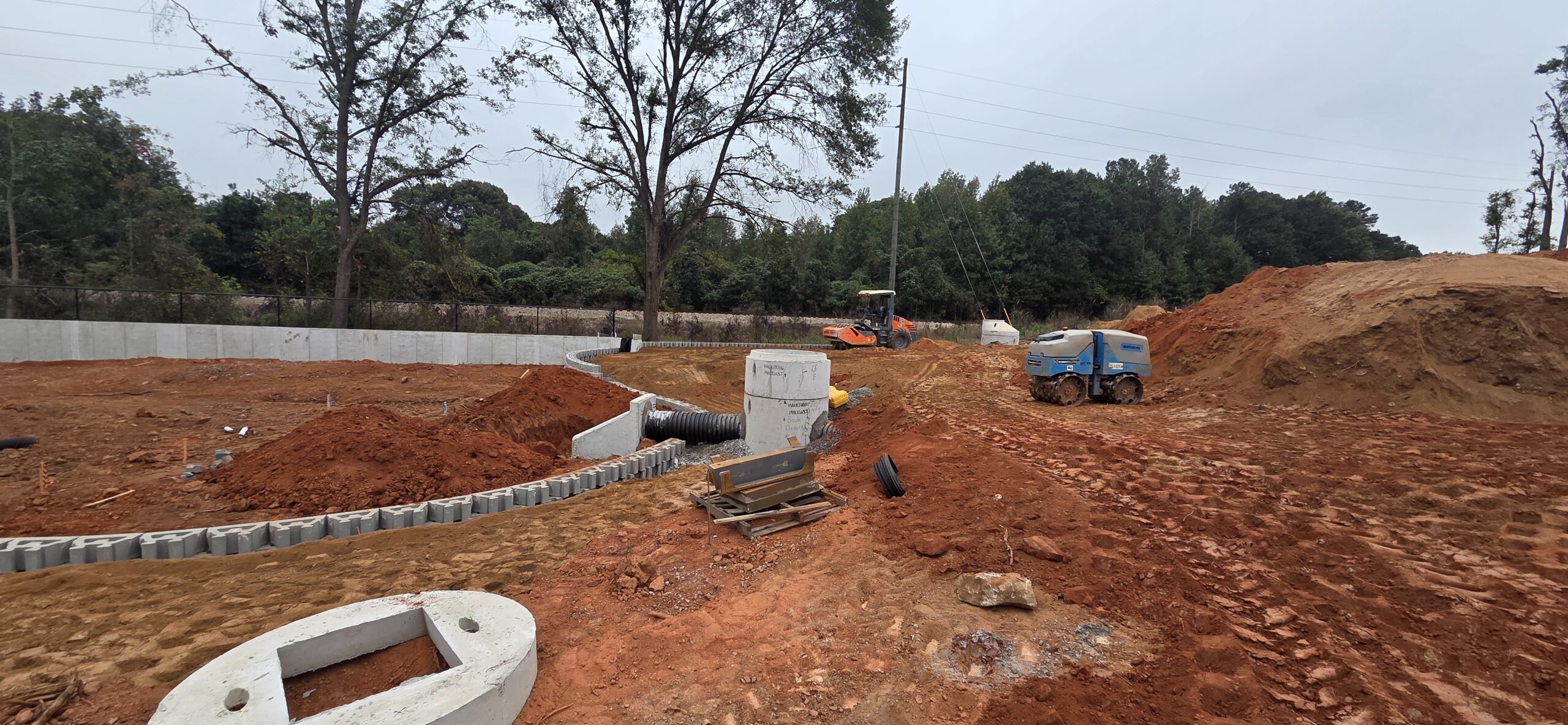
Mr. Jamie Jenkins, the wall contractor’s supervisor, was present during the inspection. ASEC’s representative informed Mr. Jenkins and his crew multiple times (at least three to four occasions) that the area between the two manholes had failed compaction testing.
Mr. Jenkins questioned why Dynamic Cone Penetrometer (DCP) testing was not performed on the soil lifts. Our representative clarified that ASEC was not contracted for footing inspection and that DCP testing is not required for routine lift compaction verification. Mr. Jenkins appeared displeased with this explanation and responded in a disrespectful manner. He was informed that ASEC would return later in the day, at the contractor’s request, for additional testing.
Our representative subsequently departed the site and delivered stockpile samples to the ASEC laboratory for testing.
Afternoon Visit
Upon returning to the site later that afternoon, ASEC’s representative observed that the contractor had continued to place new lifts over areas that previously failed compaction testing, contrary to prior recommendations. When questioned, the contractor claimed that Mr. Jenkins was unaware of the failing areas; however, this was inaccurate, as both Mr. Jenkins and his crew had been explicitly notified of the failures earlier in the day.
Rather than removing the noncompliant lifts, the contractor continued fill placement and wall installation activities. It was also noted that lift thicknesses appeared to exceed 12 inches and that compaction effort remained inadequate for the material and equipment in use.
Contractor Conduct
Mr. Jenkins’ demeanor toward ASEC’s representative has become increasingly disrespectful and noncooperative. He subsequently contacted our representative by phone, using foul and unprofessional language. ASEC reiterates that its field representatives are not responsible for time delays related to other trades (e.g., pipe installation) or unsuitable material conditions.
ASEC’s scope of work is limited to observation, testing, and reporting. Compaction rates and wall construction methods remain the responsibility of the contractor. All test results and observations were properly communicated to site personnel at the time of testing.
Summary of Results
-
Several test locations failed density testing due to inadequate compaction effort.
-
Passing results were obtained only in areas where the contractor placed smaller lifts (6–8 inches thick) and adequately compacted them.
-
The contractor was repeatedly advised to maintain proper lift thickness and compaction practices to meet specification requirements.
Remarks
ASEC will continue to monitor fill placement and compaction activities during subsequent site visits. Any additional deficiencies or deviations from specification will be documented and reported to the project engineer.
Conclusion
AS Engineering and Consulting, LLC appreciates the opportunity to provide our testing and inspection services on this project. Should you have any questions or require further clarification regarding this report, please contact our office at your convenience.